

You want every deep hole in 7075-T6 aluminum to be very precise and strong. Advanced machining technologies help you control stress and stop parts from bending. They do this by using a few important steps:
- First, do rough machining. Leave a little extra material to keep stress even.
- Next, use stress-relief annealing. This takes away most of the stress inside the metal.
- Then, use special finishing methods. These make the holes smooth and exact.
- Last, use deep cryogenic aging. This step helps the part stay stable.
AFI Industrial Co., Ltd has experts who can help you with every step of Deep Hole Machining.
Key Takeaways
- Begin with rough machining to keep stress even in 7075-T6 aluminum. This helps stop the metal from bending while you work.
- Use stress-relief annealing to lower stress inside the metal. This step is very important to keep the part steady.
- Pick the correct drill bit for deep hole machining. High-speed steel or carbide-tipped drills are best for 7075-T6 aluminum.
- Watch the cutting speed and feed rate to control heat. This stops the metal from getting too hot and keeps the holes smooth.
- Use step and peck drilling methods. These help control heat and remove chips for better holes.
- Check the machining process as it happens. Use sensors to find problems like heat and shaking to keep things exact.
- Do stress relief after machining to keep the part steady. Annealing or cryogenic treatment can help stop the part from warping.
- Check finished parts closely. Use tools like CMM and bore gauges to make sure holes are of good quality.
Table of Contents
7075 Aluminum Alloy: Material Behavior
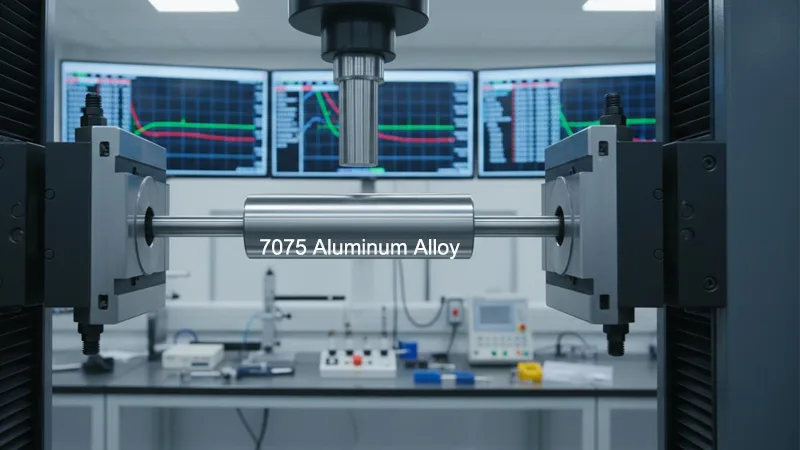
When you use AL7075, you are working with a very strong aluminum alloy. This material is used a lot in airplanes and the military because it is strong and does not break easily when bent many times. It is important to know how its strength and inside structure can change deep hole machining.
Mechanical Properties Impact
High Strength and Stress
AL7075 is known for being very strong. You can see how it is different from other alloys in the table below:
| Property | Value | Description |
|---|---|---|
| Tensile Strength | 572 MPa (83 ksi) | High strength for structural components. |
| Yield Strength | 503 MPa (73 ksi) | Stable under repeated loading. |
| Elongation at Break | 11% | Moderate ductility. |
| Hardness (Brinell) | 150 HB | High hardness contributes to wear resistance. |
| Fatigue Strength | 159 MPa (50% of tensile) | Excellent fatigue resistance under cyclic loading. |
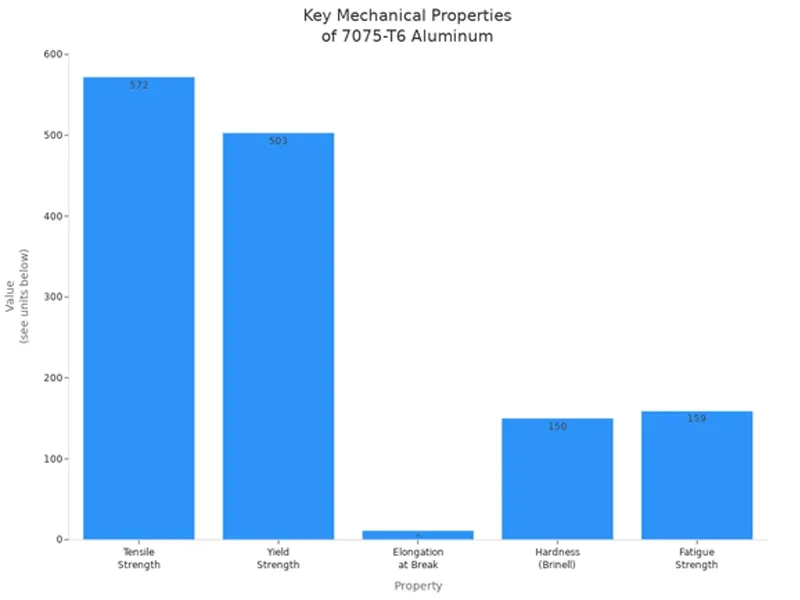
You can notice that AL7075 has a much higher yield strength than other alloys. For example:
| Alloy | Yield Strength (MPa) | Key Advantages | Common Applications |
|---|---|---|---|
| 7075-T6 | 503 | Highest strength | Aerospace, military |
| 6061-T6 | 276 | Better corrosion resistance | General purpose |
Because it is so strong, AL7075 does not bend easily when loaded. But this also means it can build up stress while you machine it. You need to watch out for these stresses, especially when making deep holes.
Residual Stress Risks
AL7075 keeps a lot of stress inside after heat treatment. These stresses can make the part twist or change shape when you cut it. If you use the T6 temper, the part might move in ways you do not expect. The table below shows how different temperatures change the stress inside and how easy it is to machine:
| Temper | Process Description | Internal Stress Characteristics | Machining Impact |
|---|---|---|---|
| 7075-T6 | Solution heat treatment, quenching, and artificial aging. | Retains significant internal residual stresses from quenching, leading to warping during machining. | Difficult to maintain tight tolerances due to unpredictable distortion during machining. |
| 7075-T651 | Same as T6, but includes controlled stretching for stress relief before aging. | Controlled stretching reduces internal stresses, minimizing distortion during machining. | Preferred for high precision applications, resulting in better dimensional stability and less warping. |
Deformation Factors
Thermal Expansion
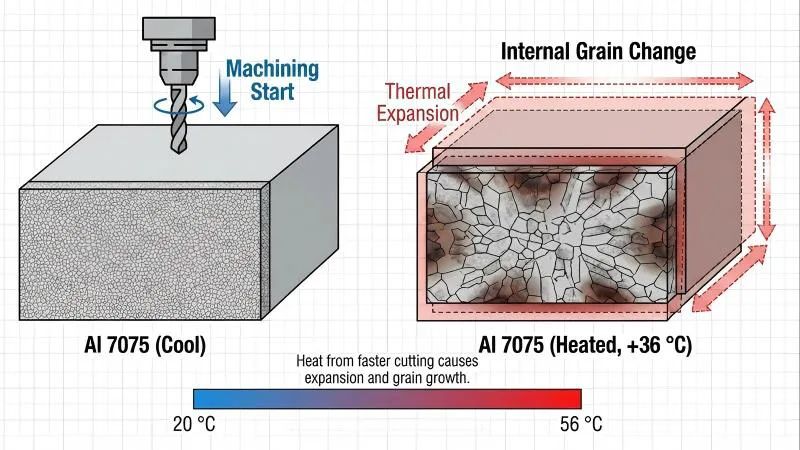
You need to think about how AL7075 changes with heat when you machine it. The alloy gets bigger when it gets hot, which can change the size of your part. How fast you cut and how deep you go can make the chips hotter. If you cut faster, the temperature can go up by 36 °C, which makes the part expand and the grains inside change.
Internal Stress Redistribution
When you take away material from AL7075, the stress inside moves around. This can make the part twist or not stay the right size. Deep hole machining often causes these stress changes, especially if the alloy has not undergone stress relief before.
Tip: You can lower deformation by picking the right temper, using good machining settings, and doing stress-relief steps. AFI Industrial Co., Ltd uses special tests to help you pick the best temper and machining plan for your job.
Here are the main things that cause al 7075 to change shape during deep hole machining:
- High strain, high temperature, and low strain rate make more grains form, and temperature is the biggest reason.
- Faster milling makes chips hotter, which can make grains smaller and increase new grain growth.
- Cutting bigger changes the grain structure and lowers new grain growth near the back of the tool.
- Faster milling can make grains as small as 1 μm, and there can be a big jump in new grains at some depths.
- Feed rate changes how many new grains form, with more grains at the tool tip.
You need to know these things to get parts that are the right size and shape when machining AL7075. AFI parts can help you study the material and control stress, and shape changes for great deep hole machining of 7075 aluminum alloy.
Pre-Machining for Deep Hole Machining
Before you do deep hole machining on 7075-T6 aluminum, you must get ready. Good preparation helps you avoid mistakes and makes sure your parts are correct. You need to focus on three things: picking the right material, using stress relief, and getting the workpiece ready
Material Selection
Picking the right material is very important. You have to check that every batch of 7075-T6 aluminum is good. Certification and traceability are more than just papers. They help protect your business and your customers’ trust.
Certification and Traceability
You should always ask for all the documents for your materials. These include certificates, batch numbers, and reports. These papers help you follow each piece from the supplier to the finished part. They also help you fix problems if something goes wrong.
Here is how quality checks help your machining:
| Quality Assurance Measures | Description |
|---|---|
| Incoming Material Inspection | Check materials before you start machining. |
| First Article Inspection | Make sure the first part is made right. |
| In-Process Inspection | Watch the quality during machining to catch problems early. |
| Final Inspection | Checks that the finished part meets all rules. |
| Traceability Reports | Shows the whole history of the material and inspections. |
AFI Parts uses strict rules for machining. You can trust their system to keep every part checked and safe.
Stress Relief Treatments
Stress relief is very important for 7075-T6 aluminum. If you skip it, your part might bend or change size during deep hole machining. You should pick the best treatment for the temper and how you will use the part.
Thermal and Vibration Methods
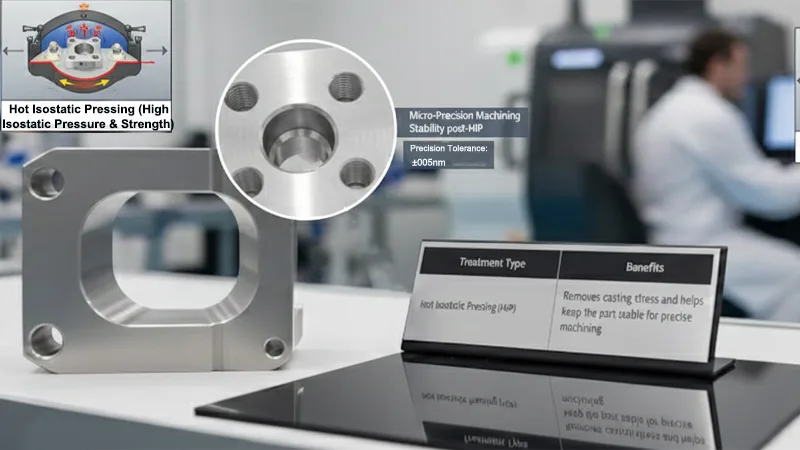
Thermal methods like annealing or Hot Isostatic Pressing (HIP) work well for strong alloys. Vibration stress relief can help too, especially for big or tricky parts. The table below shows how treatments help your parts:
| Temper | Treatment Type | Benefits |
|---|---|---|
| 7075-T652 | Hot Isostatic Pressing (HIP) | Removes casting stress and helps keep the part stable for precise machining. |
You should always pick the treatment that fits your part. AFI parts can help you choose and use the best method for your job.
Workpiece Preparation
Getting the workpiece ready helps stop mistakes and makes the holes better. You need to hold the part tight, clean it, and check it before you start machining.
Fixturing and Support
You must use strong fixturing to keep the workpiece still. Good support stops shaking and moving. This is very important for long or thin parts because small moves can cause big problems.
Cleaning and Inspection
You should clean every workpiece to get rid of oil, dust, and dirt. Even a little bit of dirt can change the final result. After cleaning, look at the part for any damage or bad spots. Finding problems early saves time and money.
Tip: Careful work at every step gives you better results and fewer problems when you do deep hole machining.
Drilling Techniques and Hole Quality
Cutting Parameters for Deep Hole Machining
Speed and Feed Rate
You need to set the right speed and feed rate for drilling 7075-T6 aluminum. If you use a speed that is too high, you can make the workpiece overheat. This can lower hole quality and cause the part to warp. If you use a speed that is too low, you can make the cutting process slow and less efficient.
For deep hole machining, you should use a moderate spindle speed. This helps you keep the temperature steady and control chip formation. You should also adjust the feed rate to match the drill diameter and the depth of the hole. A steady feed rate helps you avoid tool chatter and keeps the hole quality high.
Tip: You can use a lower speed at the start of drilling operations. This helps you center the drill and prevent wandering. As you go deeper, you can increase the speed slightly to improve chip evacuation.
Depth of Cut
You must control the depth of cut during deep hole machining. If you try to cut too deep in one pass, you can overload the drill and cause it to deflect. This can lower the hole quality and make the hole go off-center. You should use shallow cuts and remove material in steps. This helps you keep the cutting forces low and improves the accuracy of the hole.
For deep drilling operations, you should use a peck drilling cycle. This means you drill a short distance, then pull the drill out to clear chips and cool the tool. This method helps you manage heat and keeps the hole quality consistent.
Tool Selection for 7075 Aluminum Alloy
Drill Bit Types
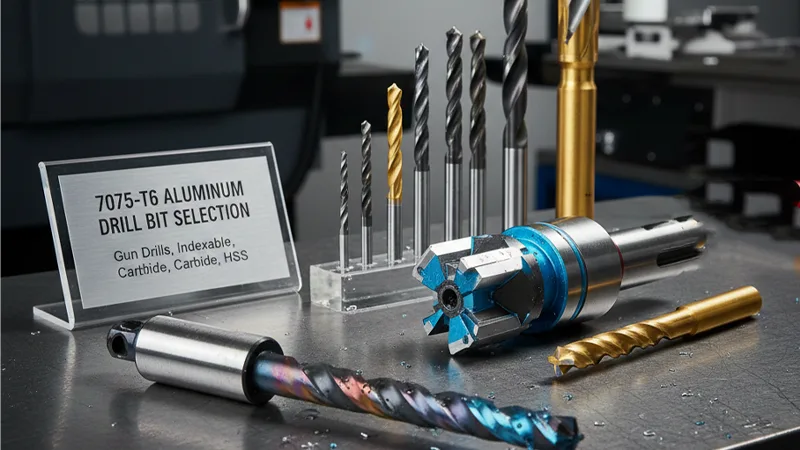
You need to choose the right drill bit for deep hole machining in 7075-T6 aluminum. High-speed steel (HSS) drills work well for general drilling operations. Carbide-tipped drills give you better cutting performance and last longer. For very deep holes, you should use gun drills or deep hole drills. These tools have special flutes that help you remove chips and keep the hole quality high. You can also use indexable drills for larger diameters. These drills let you change the cutting edge quickly and keep the drilling process efficient.
Geometry and Coating
You should pay attention to the geometry and coating of your drill bits. A sharp point angle, usually around 135 degrees, helps you start drilling without slipping. Wide flutes help you move chips out of the hole and keep the cutting area clean. For 7075-T6 aluminum, you should use drills with polished flutes. This reduces friction and improves hole quality. You can also use drills with special coatings, like TiN or TiAlN. These coatings lower heat buildup and make the cutting process smoother. They also help you keep the tool sharp and improve the surface finish inside the hole.
Coolant and Lubrication
Flood Coolant Use
You need to use coolant to manage heat during deep hole machining. Flood coolant is a common choice for drilling operations. It helps you keep the cutting area cool and flush chips out of the hole. You should direct the coolant stream right at the drill tip. This gives you better cooling and improves hole quality. Flood coolant also helps you reduce tool wear and keeps the drilling process stable.
Lubricant Choices
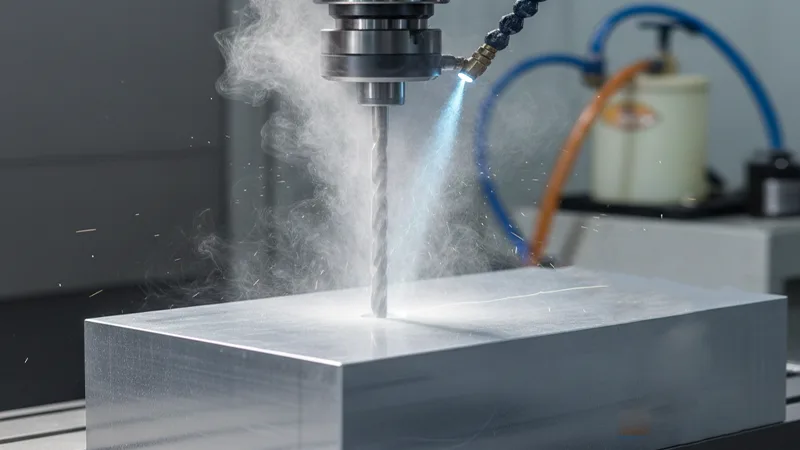
You can use different lubricants to improve cutting performance. Minimum Quantity Lubrication (MQL) uses a small amount of lubricant in mist form. This method lowers cutting forces and keeps the temperature down. Electrostatic Minimum Quantity Lubrication (EMQL) goes a step further by charging the mist. This gives you even better cooling and lubrication.
Studies show that MQL and EMQL help you get longer tool life and better surface quality than traditional flood cooling. You should consider these advanced methods for deep hole machining in 7075-T6 aluminum. They help you keep the cutting process efficient and improve the final hole quality.
Note: You should always check the compatibility of your coolant and lubricant with the material and the drilling tool. This helps you avoid chemical reactions and keeps the hole quality high.
You can improve your drilling operations by choosing the right cutting parameters, drill bits, and cooling methods. These steps help you get the best hole quality and make your deep hole machining process reliable.
Step and Peck Drilling
Step and peck drilling are two essential techniques you should use when performing deep hole machining on 7075-T6 aluminum. These methods help you manage heat and remove chips efficiently, which improves hole quality and reduces the risk of tool failure or part deformation.
Heat Management
When you drill deep holes, heat builds up quickly at the cutting edge. If you do not control this heat, the tool can wear out fast, and the hole may lose its shape. Step drilling and peck drilling both help you keep the temperature under control.
- Step Drilling: You start by drilling a small pilot hole. Then, you use larger drills in steps until you reach the final diameter. This method spreads the cutting load and heat over several passes. Each step removes a small amount of material, so the tool stays cooler.
- Peck Drilling: You drill a short distance, then retract the drill to let coolant reach the tip and to allow heat to escape. You repeat this process until you reach the desired depth. Peck drilling is especially useful for very deep holes, where heat can build up quickly.
Tip: Always monitor the temperature of your tool and workpiece. If you notice the chips turning blue or the tool getting too hot, reduce the feed rate or increase the frequency of pecking. This simple adjustment can extend tool life and improve hole quality.
Here is a quick comparison of the two methods:
| Method | How It Works | Heat Control Effectiveness | Best Use Case |
|---|---|---|---|
| Step Drilling | Drill in stages with increasing diameters | Good | Large diameter, deep holes |
| Peck Drilling | Drill in short increments, retract frequently | Excellent | Very deep, small diameter holes |
Chip Removal
Efficient chip removal is critical in deep hole machining. Chips that stay in the hole can cause the drill to jam, break, or wander off course. Both step and peck drilling help you clear chips and keep the hole clean.
- Step Drilling: Each step creates a wider hole, giving chips more space to escape. The pilot hole guides the next drill, so chips move out more easily.
- Peck Drilling: Every time you retract the drill, chips break off and flush out with the coolant. This prevents chip packing and reduces the risk of tool breakage.
Note: Use high-pressure coolant or compressed air to help push chips out of the hole. For very deep holes, consider using specialized deep hole drills with internal coolant channels. These tools force coolant through the drill, carrying chips out as you work.
You can follow these best practices for chip removal:
- Use drills with polished flutes to reduce chip sticking.
- Set the peck depth based on the drill diameter (usually 1–2 times the diameter per peck).
- Inspect chips after each cycle. Long, stringy chips mean you need to adjust your feed or speed.
- Clean the hole between steps or pecks to prevent chip buildup.
Pro Tip: If you see chips clogging the flutes or hear the drill struggling, stop and clear the chips before continuing. This simple habit can save your tool and your part.
By using step and peck drilling, you control heat and remove chips effectively. These techniques help you achieve high hole quality and reliable results in deep hole machining of 7075-T6 aluminum.
In-Process Monitoring and Adjustment
When you make deep holes in 7075-T6 aluminum, you need to watch the process as it happens. This helps you stop stress and bending. It also keeps the holes good. AFI Industrial Co., Ltd uses smart machines and computers to help you do this job better.
Real-Time Monitoring
You have to check what is happening inside the part while you work. Watching in real time lets you find problems before they get worse.
Vibration and Temperature Sensors
Sensors can measure shaking and heat during machining. These tools show if the tool is getting dull, too hot, or if the part is moving.
- Piezoelectric dynamometers check cutting force very fast. You get new numbers every second, so you see changes quickly.
- Thermocouples measure heat inside the part. You put them in the middle to watch for hot spots.
- Vibration sensors warn you if the tool or part shakes. This helps you stop noise before it messes up the hole.
Tip: Set alarms for high force or heat. Fast action keeps your work steady and your parts correct.
Adaptive Control Systems
New CNC machines can change how they cut by themselves. You do not have to stop to make changes.
Parameter Adjustment
These smart controls change speed, feed, and tool path using sensor data. For example, lowering the speed from 15,000 RPM to 10,000 RPM makes the surface smoother by 30%. This stops tiny cracks and keeps your part good. If the metal gets harder, the machine slows down by 10–15% to keep the tool safe. If the metal gets softer, it speeds up and works faster.
| Adjustment Scenario | Impact on Machining Parameters |
| Lower spindle speed | Smoother surface, fewer cracks |
| RPM drop in hard zones | Prevents tool failure, keeps quality |
| CNC optimization | Consistent results, less vibration |
Deformation Detection
Sensors and CNC controls work together to find the bending. If the part starts to twist, the machine can slow down, change the path, or stop. This keeps the hole straight and the size right.
Note: AFI Industrial Co., Ltd uses smart CNC systems that learn from each job. You get better results every time you make a new part.
Operator Best Practices
Even with smart machines, you are still important. Good habits and checks help you avoid mistakes.
Mid-Process Inspections
You should look at the part and setup while you work. Watch for movement, shaking, or heat marks. Use strong clamps to hold the part tight. Check clamps and locators for damage or wrong spots. Add strong supports to stop bending.
- Use soft pads or extra supports to lower shaking.
- Make clamps push cutting force into strong spots.
- Move supports if the material is not even.
- Use hard rest buttons or spring supports for tricky setups.
Fixturing Adjustments
If you see movement or shaking, fix the clamps right away. Make the clamps tighter if needed. Change old or broken clamps. Make sure all supports are strong and tight. These steps help you keep the hole straight and smooth.
Pro Tip:Check often and fix problems fast to save time and money. AFI Industrial Co., Ltd says to use a checklist for every job to keep your work safe.
By using real-time checks, smart controls, and good habits, you get the best results when making deep holes in 7075-T6 aluminum. AFI Industrial Co., Ltd gives you the tools and support you need for every step.
Post-Machining Stress Relief and Inspection
When you finish making deep holes in 7075-T6 aluminum, you need to make the part stable and check it carefully. These steps help you get good holes and make sure your parts work well for important jobs.
Stress Relief Processes
You should always think about stress relief after machining. This step lowers the chance of the part bending or changing shape later. Two main ways work well for 7075-T6 aluminum: annealing and cryogenic treatment.
Annealing and Cryogenic Treatment
Annealing means you heat the part in a furnace and then let it cool slowly. This helps the metal relax and makes it less likely to bend. Cryogenic treatment makes the part very cold, sometimes colder than -150°C. This changes the metal’s internal structure and reduces residual stress.
Tests show that after cryogenic treatment before milling, the stress from machining goes down a lot when feed per tooth fz is more than 0.10. The highest normal stress and shear stress drop by 55.7% and 71.2%. The biggest twist in the samples goes down by 30.8%. The strain energy drops by 73.5%, and the standard deviation drops by 82.6% after cryogenic treatment before milling.
You can use these treatments to keep the surface steady and get good holes. Cryogenic treatment works very well for deep holes that require high precision.
Dimensional Inspection
You must check every part after machining to make sure the holes are good. Checking the size helps you find mistakes and see if the surface is right.
CMM and Bore Gauging
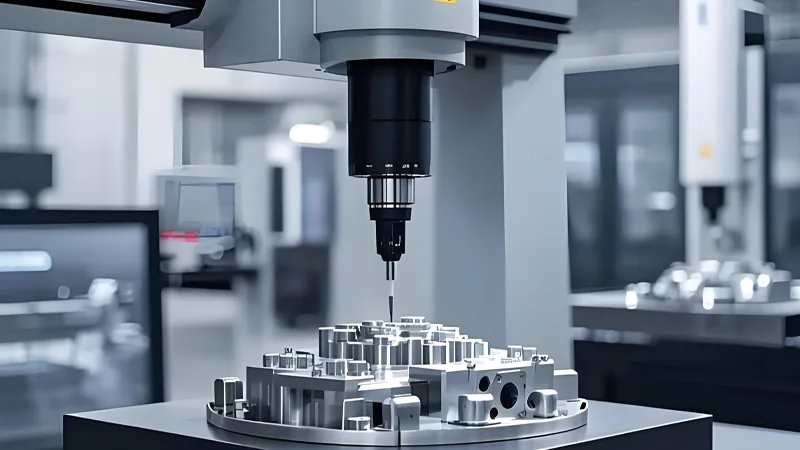
Coordinate Measuring Machines (CMM) give you exact measurements for hole size, roundness, and where the hole is. You use a probe to scan the surface and save the numbers. Bore gauges help you check deep holes inside. These tools measure how wide and straight the hole is all the way through. You should use both tools to make sure the holes are good and there are no hidden problems.
Surface Finish Assessment
You need to check the surface finish to make sure the part lasts and works well. Some jobs need special surface treatments. The table below shows common ways and why they are good:
| Surface Finish Method | Benefits | Common Use |
|---|---|---|
| Anodizing | Stops rust and makes the part last longer | Used for strong parts |
| Powder Coating | Makes the part tougher and stops rust | Used in rough places |
You should pick the right surface finish for your job. Anodizing keeps the surface safe from rust and keeps it strong. Powder coating adds more protection, especially in hard places. Both ways help you keep good holes and make the part last longer.
Stability and Handling
After checking, you need to store and move the parts the right way. Good storage keeps the surface safe and keeps the holes clean.
Storage Recommendations
You should keep finished parts in a clean, dry place. Use soft trays or racks so the surface does not get scratched. Do not stack parts right on top of each other. Cover the surface with a film if you need to store them for a long time. Keep the room at the same temperature and humidity to stop rust or damage.
Tip: Always put a label on each part with its check status and storage date. This helps you keep track of good holes and manage your parts well.
By following these steps after machining, you protect the surface, keep the holes good, and make sure your deep hole parts are the best. AFI Industrial Co., Ltd helps you with advanced machining and checking for every project.
Troubleshooting Deep Hole Machining Issues
When you do deep hole machining in 7075-T6 aluminum, you might run into problems. These can be things like the hole not being straight, the inside of the hole feeling rough, or the part bending. You can fix these problems if you know what causes them and use good solutions. AFI Industrial Co., Ltd has experts who can help you get good results.
Hole Deviation Solutions
Causes and Corrections
A hole can go off course if the drill moves or bends while cutting. You might see that the hole is not straight or does not end up in the right spot. This can happen if the tool bends, the part is not held tight, or the cutting settings are wrong.
To fix a hole that is not straight, you should:
- Hold the part very tightly so it does not move.
- Pick drills with smooth flutes and sharp tips to help guide them.
- Use medium speeds and steady feed rates to stop shaking.
- Start with a small hole and drill bigger in steps.
- Watch your tools and change them if they get dull.
Tip: Always check if everything is lined up before you start. Even a small mistake at the beginning can make the whole thing go off in the wrong direction.
Surface Finish Defects
Identification and Resolution
Sometimes the inside of the hole can feel rough, have scratches, or show wavy lines. These problems can make the part look bad or not work properly. You can find these problems by looking inside the hole or using special measuring tools.
To make the hole smoother, you should:
- Pick drills with the right shape and special coatings like TiN or TiAlN to cut down on rubbing.
- Use lots of coolant or special oils to keep things cool.
- Change how fast you drill and how hard you push to stop the tool from shaking.
- Clean out chips often so they do not scratch the hole.
- Use reaming or honing at the end if you need a really smooth hole.
Note: Not every part needs to be super smooth. Only use tight rules for parts that really need it. If you relax the rules for other parts, you can save time and money.
Warping and Distortion
Prevention and Remediation
Parts can bend or twist if stress inside moves around or if the part gets too hot while you cut it. Thin walls and deep holes make this more likely. You can stop these problems by following some simple rules.
| Feature | Recommended Guideline | Reason |
|---|---|---|
| Minimum Wall Thickness | > 0.8mm for metals | Stops shaking, bending, and tool breaking. |
| Hole Depth-to-Diameter Ratio | < 10:1 | Deep holes make it hard to clear chips and get coolant in. |
| Aspect Ratio (Height:Width) | < 4:1 | Tall, skinny parts are weak and hard to cut right. |
You should also:
- Make inside corners with a bigger curve than the tool tip to make the part stronger and stop shaking.
- Do not use thin walls if you need to take away a lot of material.
- Use stress relief steps before and after you cut.
- Keep finished parts in a safe place so they do not bend further.
Pro Tip:Only use tight rules for important surfaces. This makes the part stronger and helps you finish faster.
AFI Industrial Co., Ltd can give you smart ways to fix these problems and help you avoid them. You can trust their team to help you get great deep hole machining results every time.
You can make deep holes in 7075-T6 aluminum that are exact and steady by using some smart steps. First, lower the stress inside the metal by using aging or vibration treatments. You should also get big pieces ready before you start. Next, pick sharp tools and keep them in good shape. This helps stop the part from bending.
Use strong clamping, like vacuum chucks, to hold the part with even force. Break up your machining into smaller steps and let the part cool down between each one. Try to cut both sides the same way and change how much you cut to keep the heat under control. You can trust AFI Industrial Co., Ltd to help you get good results every time. Keep checking and changing how you work as new machines and tools come out.
FAQ
7075-T6 aluminum is strong but not heavy. With a tensile strength matching that of structural steel but at only a third of the weight, its strength-to-weight ratio is unmatched. It also does not rust easily. While not as naturally corrosion-resistant as 6061, the T6 tempering process, alongside proper anodization, provides excellent galvanic stability. This helps your parts last longer, even in hard places, such as high-altitude aerospace applications or marine defense bulkheads.
You can stop warping by using stress relief steps. Proper execution of AMS 2770 heat treatments, combined with sub-zero thermal cycling or VSR (Vibratory Stress Relief), normalizes the internal compressive forces. Holding the part tightly also helps. Utilizing multi-point hydraulic fixturing limits vibration without inducing point-load stress. These actions keep the part steady and stop rust while you work.
Corrosion resistance keeps parts safe from water and chemicals. In aerospace environments, parts are frequently exposed to jet fuel, de-icing fluids (like ethylene glycol), and extreme condensation from temperature fluctuations at 30,000 feet. This makes sure your parts work well in planes and boats. A microscopic pit caused by corrosion can act as a stress concentrator, leading to catastrophic fatigue failure.
You can use anodizing or powder coating. MIL-A-8625 Type II (sulfuric) and Type III (hardcoat) anodizing convert the surface into aluminum oxide, a structure harder than glass. Powder coating uses electrostatically applied polymers baked into a seamless shield. Both ways help stop rust and make your parts last longer.
Pick a coolant that does not hurt aluminum. Alkaline coolants (pH > 9.0) will aggressively stain and etch aluminum surfaces, stripping away the natural passivated oxide layer. Using a pH-neutral, aerospace-approved synthetic coolant with specialized corrosion-inhibiting additives is critical. The right coolant keeps the part from rusting and stops damage while you drill.
Yes, you can if you support the part and finish it right. When wall thicknesses drop below 1.0mm, the structural integrity of the oxide layer can be compromised by bending. By utilizing specialized wax or low-melt alloy encapsulation during machining, rigidity is maintained. These steps help keep the part from losing its rust protection.
You can use a salt spray test or just look at the part. ASTM B117 salt spray testing provides a standardized metric by exposing the part to a 5% NaCl fog at 35°C for hundreds of hours to observe pitting or blister formation. These checks show if your work kept the part from rusting.