
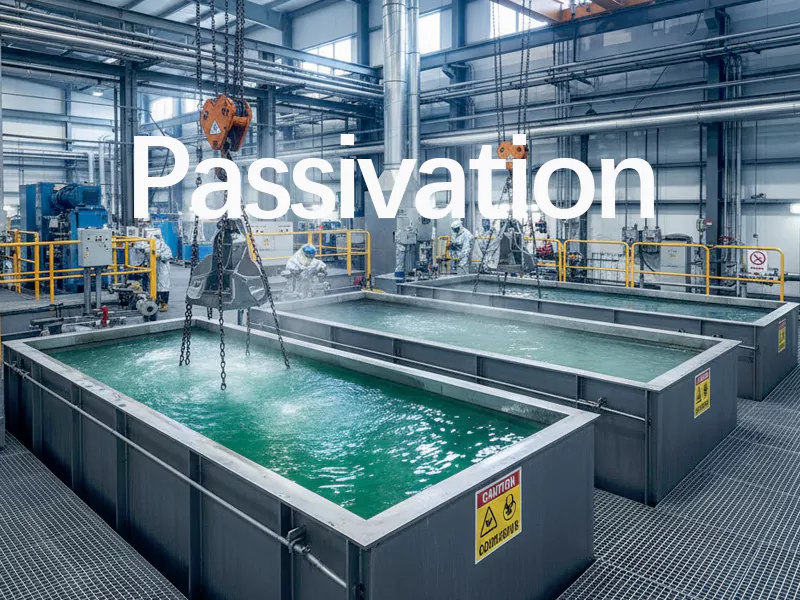
You might ask what passivation is in materials science. Passivation is the process of creating a thin shield on metal. This shield protects the metal from rust and damage from the environment.
| Source | Definition |
|---|---|
| Wikipedia | Passivation is the application of a coating on a material. This makes it “passive,” reducing the likelihood of damage or rust from environmental factors. |
| ScienceDirect | Passivation refers to the phenomenon where certain metals lose their chemical reactivity under specific conditions, allowing them to behave more like noble metals. |
Passivation is essential to maintain the strength of stainless steel and machine parts. It helps keep them free from rust. When you clean off dirt, you restore the protective layer, which contributes to the longevity of your parts. AFI Industrial Co., Ltd employs passivation to ensure top-quality, reliable components, guaranteeing that your machines operate efficiently for an extended period.
Key Takeaways
- Passivation forms a shield on metal. This stops rust and damage. Stainless steel can make its own shield called chromium oxide. This makes it last longer. Natural passivation happens slowly when metal touches air. Artificial passivation uses chemicals to work faster. Passivation helps metal parts last 30-50% longer. This means fewer repairs are needed. Passivation is used in planes, medical tools, and food factories. These places need metal that does not rust. The passivation process has cleaning, acid treatment, and rinsing steps. These steps help protect the metal well. Using citric acid for passivation is good for the environment. It also works well for stainless steel. Picking a company like AFI Industrial Co., Ltd gives you good passivation. This helps parts work better and last longer.
Table of Contents
What Is Passivation?
Definition and Meaning
You might wonder why passivation is important for metal parts. In materials science, passivation means making a thin, invisible shield on metal. This passivation layer keeps the metal safe from air, water, and chemicals. Passivation helps stop the metal from rusting or corroding.
- Passivation happens after making the part. It makes the metal less likely to react with chemicals.
- It helps stop rust by making a strong oxide layer, especially on stainless steel.
- The shield works like a wall. It keeps the metal safe from rust and dirt.
- Stainless steel can make its own shield. This is called a chromium oxide layer, which helps it stay strong.
Passivation helps your parts last longer. It takes away dirt and iron that can cause rust. It also removes marks from welding, so the surface looks new again. This is why passivation is important for people who use metals in tough places.
Natural vs. Artificial Passivation
There are two main ways to get passivation: natural or artificial. Natural passivation happens when metals like stainless steel touch air. The metal reacts with oxygen and makes a thin shield. But this can take a long time and may not cover everything.
Artificial passivation is faster and better. Chemicals are used to make a thicker, even shield quickly. This is good for parts that have been welded or used in hard conditions.
| Feature | Natural Passivation | Artificial Passivation |
|---|---|---|
| Process | Metal makes its own shield with oxygen | Chemicals help make a strong shield fast |
| Advantages | Cheap, no extra steps needed | Thicker, even shield, works quickly |
| Disadvantages | Slow, shield may not cover everything | Needs chemicals, must be done carefully |
| Application | Clean metal with enough air | Parts that need fixing after welding or cutting |
The most common chemicals for artificial passivation are nitric acid and citric acid. Nitric acid is used a lot because it takes away iron and dirt, leaving a strong shield. Citric acid is safer for the environment and also removes iron well.
| Chemical Agent | Description |
|---|---|
| Nitric Acid | Takes away iron and dirt, leaves a strong shield |
| Citric Acid | Safe for the environment, easy to use, removes iron well |
At AFI Industrial Co., Ltd, you get help from experts who know about passivation. The team uses a special passivation method to make sure every part is high quality. This means your parts will not rust, will last longer, and will work well. If you pick a company that cares about passivation, you protect your parts and keep your machines working.
Why Passivation Matters
Corrosion Resistance
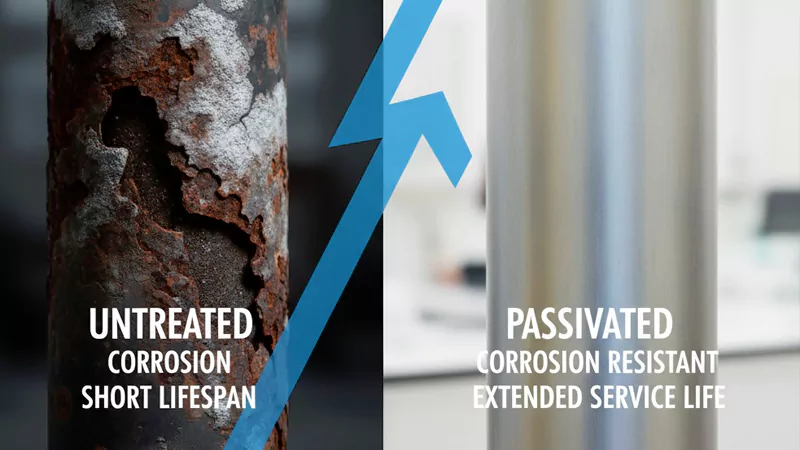
Metal parts need to work well in tough places. Passivation gives them a strong shield against rust. It makes a stable oxide layer on the metal’s surface. This layer stops water, chemicals, and air from touching the metal. So, your parts do not rust and last longer, even in hard conditions.
Many jobs need metals that do not rust easily. Aerospace, medical devices, and food factories all need this. Passivation helps meet these strict rules. In medical devices, it keeps things clean and safe. In aerospace, it protects parts and helps them last longer.
Tip: Passivation keeps your part’s size and shape the same. You get extra protection without changing how it looks.
Scientists found that different passivating agents make strong shields. Agents like zirconate and vanadate work better than old coatings. They give great protection against rust. Here is a table showing some agents and what they do:
| Passivating Agent | Mechanism | Result |
|---|---|---|
| Zirconate | Makes a tight film on the metal | Stops rust better than old methods |
| Vanadate | Is safe for the environment | Works as well as chromate coatings |
| Rare Earth Salts | Stops bad reactions on the metal | Gives good rust protection |
| Zr Ions | Builds a strong shield | Better than phosphating pretreatment |
After passivation, metal parts resist rust much better. Stainless steel gets cleaner and does not get iron stains. Rust spots do not show up. The process also fixes any damage to the chromium oxide shield. Here are some benefits:
| Benefit | Description |
|---|---|
| Better rust protection | Stainless steel fights rust more |
| Cleaner surface | Less dirt and fewer germs |
| No iron stains | Stops reactions that cause rust |
| No rust spots | Metal looks nice and clean |
| No change in size | Metal keeps its shape and size |
| Fixes chromium oxide shield | Repairs the layer that stops rust |
Material Longevity
Passivation does more than stop rust. It helps metal parts last longer. When you use passivation, you lower the chance of rust and damage. This means your parts stay strong and work well for more years.
Passivation can make parts last 30–50% longer than untreated ones. In tough places, it helps metal fight rust up to five times better. This matters for jobs that need strong parts, like precision machines and high-performance factories.
You get longer breaks between repairs and need fewer new parts. In food factories, passivation keeps equipment clean and safe. In medicine, it stops rust and helps meet strict rules.
- Passivation makes parts last up to 50% longer.
- Rust protection is up to five times better.
- You save time and money on repairs.
AFI Industrial Co., Ltd gives you parts that last and work well. They use smart passivation methods to make strong, high-quality parts for you.
When Is Passivation Used?
Common Applications
Passivation helps metal parts last longer and stay strong. It is used when parts need to work in tough places. In precision machining, you want to stop rust and keep parts clean. Passivation works best after you finish making, welding, or cleaning metal. It takes away leftover iron and dirt. Then it makes a shield that keeps parts safe.
Here are some places where passivation is used:
- Aerospace: You protect bolts, pipes, and fuel parts.
- Medical: You keep implants and tools safe for people.
- Food processing: You make sure machines stay clean and meet rules.
- Electronics: You protect connectors and chips from rust.
- Automotive: You help engine parts and bolts last longer.
Passivation works on many metals. Some metals that undergo passivation are:
- Stainless steel
- Aluminum
- Titanium
- Inconel and Hastelloy
- Copper alloys
- Carbon steel
Note: At AFI Industrial Co., Ltd, experts use passivation on all these metals. This makes sure your parts are high quality.
Industries and Materials
| Industry | Description |
|---|---|
| Aerospace | You need strong metal that does not rust for safety. |
| Medical | You want metal that is safe and lasts for health tools. |
| Electronics | You protect metal so devices work well and do not rust. |
Stainless Steel
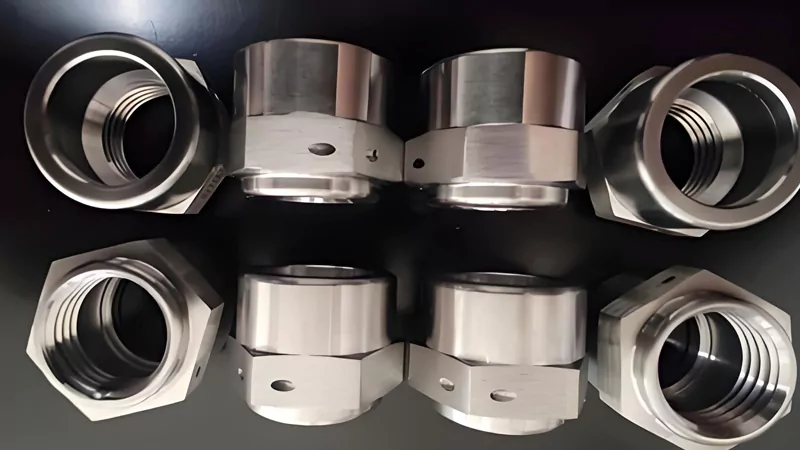
Passivation is used a lot for stainless steel. It makes a strong, invisible shield. This shield is a thin film that blocks air and water. When you clean off the iron and dirt, the shield gets better. This helps stop rust and keeps parts working longer.
- The film is very thin but stops rusting well.
- Passivation makes a thick shield that helps parts last.
- Parts work better in wet or chemical places.
Aluminum and Alloys
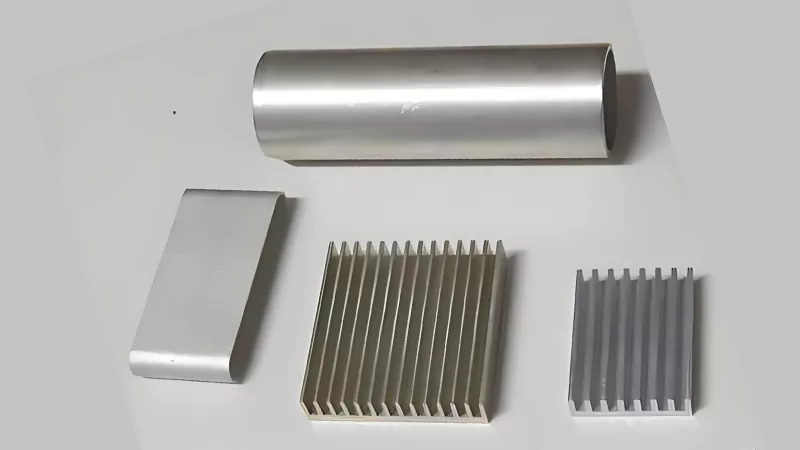
Passivation is also used for aluminum and its alloys. It makes a thin, strong shield that stops rust. This shield keeps air and water away from the metal. Passivation cleans off dirt, so the shield gets stronger.
- The shield helps stop rust and damage.
- Parts last longer in food, medical, and electronic machines.
- Passivation keeps aluminum parts clean and safe for special uses.
Tip: If you pick AFI Industrial Co., Ltd, you get smart passivation. Your stainless steel and aluminum parts last longer and work better.
Passivation Process
Process Steps
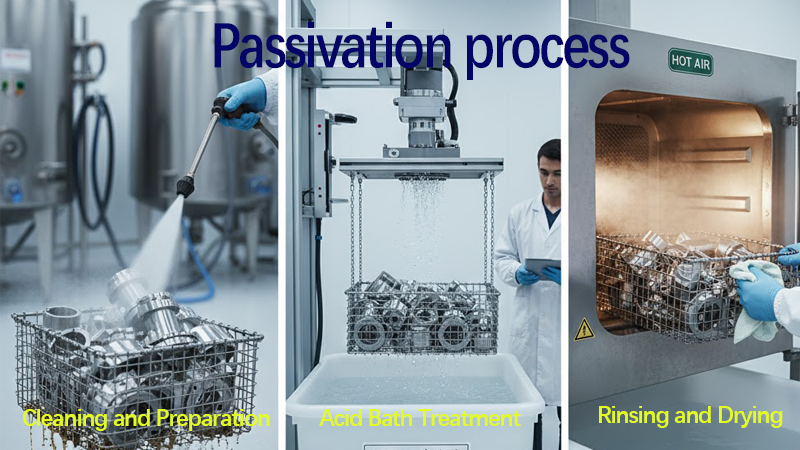
You must follow each step for passivation to work. Each step helps protect metal parts from rust and damage. Here are the usual passivation steps:
- Cleaning and Preparation: First, you clean the metal part. This takes off oil, grease, and dirt. Cleaning is important so nothing blocks the next steps.
- Acid Bath Treatment: Next, you put the clean part in acid. The acid is usually nitric or citric acid. This step removes iron and makes a strong oxide shield. The acid bath is needed to help stop rust.
- Rinsing and Drying: After the acid bath, you rinse the part with clean water. This washes away any leftover acid. Then you dry the part so no new dirt sticks to it.
Tip: Make sure your parts are dry before you move on. Wet parts can make passivation less effective.
Chemical Methods
There are different chemicals you can use for passivation. The chemical you pick changes how strong and safe the shield is.
- Citric acid works best for stainless steel. It only removes iron and leaves chromium and nickel. This makes a stronger shield.
- Nitric acid also removes iron, but can take away some chromium and nickel. This can make the shield weaker for some metals.
- Citric acid is safer for the environment. You do not have to worry about bad fumes or waste.
The ASTM A967 standard tells you how to do passivation the right way. It explains how to use both nitric and citric acid. You follow these rules to make sure your parts are passivated well.
Note: AFI Industrial Co., Ltd uses advanced chemical methods. The team picks the best acid for your metal. This helps the passivation process work its best.
Quality Control in Machining
Quality control is very important during passivation. You want every part to meet high standards and work well. AFI Industrial Co., Ltd follows trusted rules to keep quality the same.
| Standard | Description |
|---|---|
| ISO 9001 | Focuses on quality management and always getting better. |
| ISO 13485 | Make sure medical parts are safe and follow rules. |
| ASTM B912 | Gives advice for the passivation of stainless steel alloys. |
| ASTM A967 | Explains how to pick and use passivation treatments. |
You must follow these rules, especially for medical or special parts. Passivation is more than just a surface step. It protects your parts and helps them last longer.
- You should work with experts who know these rules.
- You need regular checks and records for every passivation job.
- You get better results from a team that cares about quality.
Tip: Good quality control in passivation means fewer problems, longer life, and better working parts.
Benefits of Passivation
Passivation does more than just clean metal. It gives many benefits that help your parts last longer and work better. You also save money over time. If you pick AFI Industrial Co., Ltd, you get these benefits with every part.
Enhanced Performance
You want your parts to work well, even in hard places. Passivation makes a thin shield on the metal. This shield blocks water and chemicals. It helps stop rust and keeps parts looking new.
Here is how passivation helps in real life:
| Performance Dimension | Technical Parameters | Application Cases |
|---|---|---|
| Corrosion Resistance | Salt spray resistance: ≥1,000–2,000 hrs (ASTM B117) Passive film thickness: 1–5 nm | Medical surgical instruments, Aerospace fittings, Marine hardware |
| Surface Cleanliness | Surface contamination removal: Iron content ≤0.001% Particulate-free surface (ISO 14644-1) | Semiconductor chambers, Food processing valves, Pharmaceutical equipment |
| Improved Durability | Enhanced fatigue life by minimizing corrosion-induced cracks Consistent surface integrity | Hydraulic fittings, Precision valves, Automotive sensor housings |
| Maintenance of Precision Features | Minimal dimensional alteration: <0.5 µm removal No impact on CNC dimensional tolerances | Precision machined housings, Threaded aerospace connectors, and Medical implants |
Passivation keeps your parts strong and accurate. You do not lose size or shape. This matters for jobs in aerospace, medical, and food factories. Every detail is important in these places.
Reduced Maintenance
You save time and money with less repair work. Passivation helps by making parts stronger against rust and damage. Here are ways passivation lowers maintenance:
- Passivation makes stainless steel and other metals resistant to rust.
- You avoid early part problems, so you fix or replace less.
- The process makes a shield that keeps parts safe.
- You wait longer between planned repairs.
- You lower the chance of sudden, costly breakdowns.
Passivation also saves you money:
- Parts last longer, so you buy fewer replacements.
- You avoid big repair bills from rust damage.
- Your machines run smoothly, so you have fewer stops.
AFI Industrial Co., Ltd uses smart passivation methods. You get strong parts that last and need less care. This helps your business stay fast and do well.
Tip: Passivation is a smart choice. You protect your machines, spend less, and keep your work going without problems.
Passivation in Machining
Role in Precision Parts
You want your precision parts to work well and last long. Passivation helps make this happen. After machining, small bits of iron and dirt can stay on the part. These bits can cause rust if not removed. Passivation cleans the part and adds a thin shield. This shield keeps out rust and damage.
Here is how passivation fits into your machining steps:
| Step | Description |
|---|---|
| 1 | Clean the part well to remove grease and coolant. |
| 2 | Put the part in an acid bath made for its steel type. |
- Cleaning is needed to get rid of things that block passivation.
- Grease can react with acid and stop passivation from working.
- Good cleaning helps the acid bath last longer.
Passivation is more than just washing. It uses chemicals to clean off iron, dirt, and grease from stainless steel. When you do this right, you make a metal oxide film. This film protects the part from rust and corrosion. Your parts stay strong and work well.
Passivation gives you many benefits in machining:
- Your parts fight rust much better.
- The surface stays smooth and clean.
- The size and shape do not change.
- You meet tough quality rules.
AFI Industrial Co., Ltd Applications
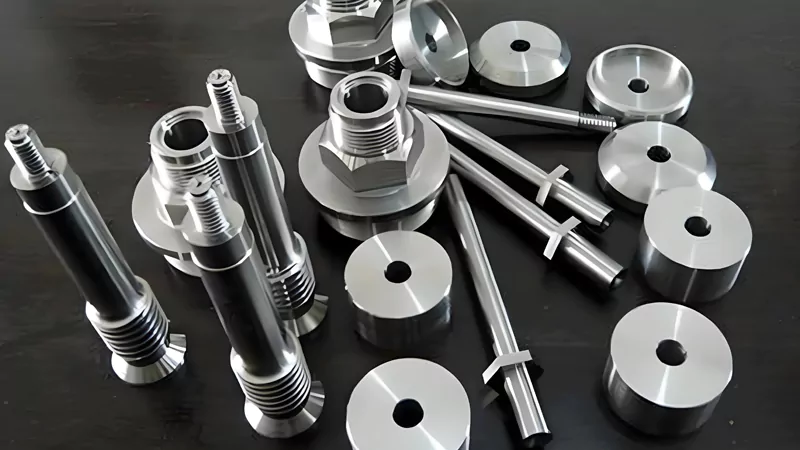
At AFI Industrial Co., Ltd, experts use passivation in every machining job. The team follows careful steps to meet your needs. After machining, skilled workers clean each part to remove oil, dust, and metal bits. Then, they pick the best acid bath for your metal. This careful work builds a strong shield against rust.
You see results in many fields. In aerospace, AFI Industrial Co., Ltd uses passivation to protect fuel parts and fasteners. In medical device making, passivation keeps tools and implants safe and clean. Food machines also get help, as passivation keeps them clean and free from rust.
Note: If you pick AFI Industrial Co., Ltd, you get more than a finished part. You get a part ready for tough jobs and longer life.
You can trust that every part has been carefully passivated. This means fewer problems, less downtime, and happier customers.
Challenges and Alternatives
Limitations of Passivation
Passivation does not work for every metal or job. Some metals do not get much help from this process. Passivation is best for stainless steel and similar alloys. Other metals may not get as much protection. Adding passivation means another step in making parts. This can make things cost more, especially for custom pieces.
| Limitation | Description |
|---|---|
| Limited to Certain Materials | Passivation works best for stainless steel and similar alloys. Other metals may not get much help from it. |
| Process Costs | Passivation adds a step, which can increase production costs. |
You must be careful with chemicals during passivation. Some ways use acids that need special care. Only trained companies with the right tools should do these steps. You have to follow strict safety and environmental rules.
- Passivation can mean using dangerous chemicals.
- You should work with companies that handle chemicals safely.
- You must follow safety and environmental laws.
Note: If you choose AFI Industrial Co., Ltd, you get a team that knows these problems. They use safer choices like citric acid passivation. This makes less harmful waste and keeps your workplace safer.
Other Surface Treatments
If passivation does not work, you have other ways to protect metal parts. Some metals, like free-machining steels, do not work well with passivation. In these cases, you can use electropolishing. This process smooths the surface and takes away dirt, making it shiny and clean.
You can also use polymer emulsions. These make a thin, strong film on the metal. The film blocks water and dirt, helping stop rust. This is good for parts that need extra help in tough places.
- Electropolishing is good for metals that do not work with passivation.
- Polymer emulsions make a strong layer to keep out water and dirt.
AFI Industrial Co., Ltd gives you many ways to treat surfaces. You can pick what works best for your needs. The team helps you choose if passivation, electropolishing, or another way will make your parts last longer and work better.
| Benefit | Description |
|---|---|
| Corrosion Resistance | Passivation helps stop rust without changing how your part looks. |
| Surface Cleaning | The process takes away iron and dirt for a cleaner surface. |
| Size and Shape | Passivation does not change your part’s size or shape. |
| Environmental Care | Citric acid passivation is safer for people and the environment. |
Tip: You can trust AFI Industrial Co., Ltd to help you pick the right way. Their experts help you meet your quality, safety, and environmental goals, no matter what surface treatment you need.
Passivation is an easy way to keep metals safe. It helps your products last longer and stay strong. Your parts will be cleaner and work better. This is true if you pick AFI Industrial Co., Ltd for your parts. Add passivation when you design things for the best results. In the future, some changes will affect the industry:
- More people want stainless steel and better quality checks.
- Food safety and green chemicals are making new ideas.
- Cars and planes need better and stronger passivation.
Passivation will help you do well and be ready for what comes next.
FAQ
No, passivation only changes the surface. Your parts keep their size and shape. They stay precise and accurate.
Passivate after machining, welding, or cleaning. For important parts, do it regularly. Follow your industry’s rules or do it after damage.
Yes, passivation uses safe chemicals. It leaves no harmful residue. You can use these parts in food and medical devices.
Yes, passivation works for small or complex parts. The chemical bath covers all surfaces. It even reaches inside holes and threads.
Passivation makes a protective oxide layer. Electropolishing smooths the surface and removes thin metal. You can use both for extra protection and a shiny finish.
You can test the surface with water break or salt spray tests. Good passivation leaves a clean, water-repellent surface. There should be no rust spots.
You get expert help and strict quality checks. Advanced methods make your parts last longer. They resist rust and meet industry standards.