
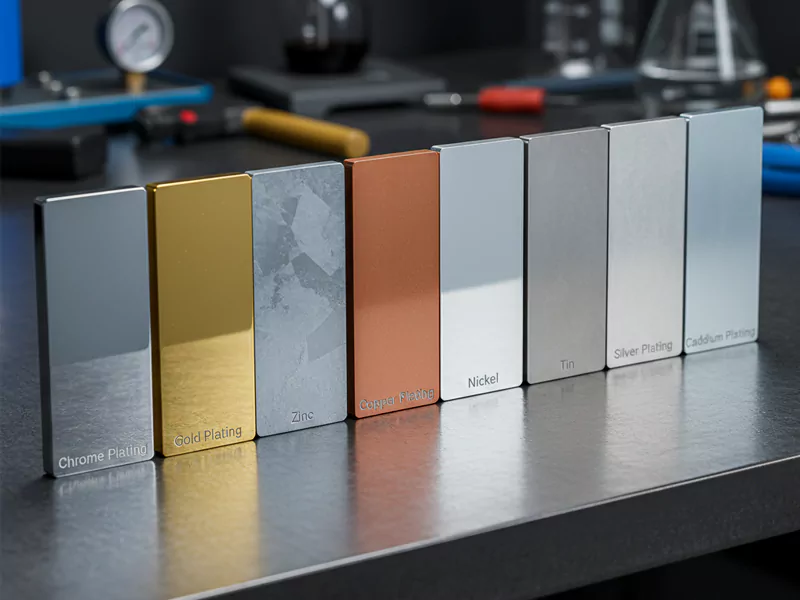
When you pick steel for your project, plating is important. Nickel, chromium, and zinc each have special uses. Nickel stops rust and makes steel harder. Chromium makes steel shiny and tough. Zinc keeps steel from rusting. Each plating fits different jobs. You might use nickel for machines. You might use chromium for car parts. Electroplating sticks well but needs careful work. Electroless plating is good for steel with odd shapes. Choosing the right steel plating helps you get good results.
Here is a quick look at the most popular steel plating types:
| Plating Type | Key Properties | Applications |
|---|---|---|
| Nickel | Stops rust, makes steel hard | Cars, planes, machines |
| Chromium | Hard, looks nice | Car parts, machines |
| Zinc | Stops rust | Bolts, hardware |
| Galvanizing | Stops rust | Building, roads |
Key Takeaways
- Picking the right steel plating is very important for your project. Every plating type has special benefits for different uses. Nickel plating stops rust and lasts a long time. It works well in cars and planes. Chromium plating makes steel look better and stronger. It is good for decoration and places with lots of wear. Zinc plating is cheap and helps stop rust. People use it in building and car parts. Electroless nickel plating gives a smooth and even cover. It works well for tricky shapes and electronics. Trivalent chromium plating is safer than regular chrome. It fights rust and is better for the environment. Tin plating is great for food-safe uses. It stops rust and is easy to solder. People use it a lot in food packaging. Cadmium plating protects well in tough places. You must be careful with it because it can be toxic.
Table of Contents
Types of Metal Plating
What Is Metal Plating
You use metal plating to cover steel with a thin layer of another metal. This process helps protect steel from damage and gives it new properties. When you plate steel, you can make it last longer, look better, or work better in tough conditions. Metal plating techniques include both electroplating and electroless plating. Each method has its own strengths.
Metal plating creates a barrier that keeps water, air, and chemicals away from the steel. This barrier helps prevent rust and corrosion.
You will find many types of metal plating in industry. Some of the most common include:
- Chrome plating
- Gold plating
- Zinc plating
- Copper plating
- Nickel plating
- Tin plating
- Silver plating
Each type offers unique benefits. For example, zinc plating forms a layer that sacrifices itself to protect the steel underneath. This is called galvanic protection. Plating with hard metals like chromium or gold makes steel more durable and gives it a shiny finish.
Why Plating Type Matters
Choosing the right plating type can change how your steel parts perform. The type you pick affects how long your parts last, how they look, and how much care they need. For example, when you use nickel or chromium plating on car bumpers, you get better corrosion resistance and a nice appearance. This means you spend less on repairs and your parts last longer.
If you work with electronics, you might use electroless nickel plating. This method improves how well electricity flows and makes connectors more resistant to wear. You get reliable performance, even in tough jobs.
Here are some ways the choice of plating impacts steel:
- High-quality coatings stick well to steel, often with adhesion strength over 10 MPa. This helps the plating last.
- Plated surfaces resist scratches and wear. Nickel coatings can reach 150–600 HV in hardness, while chrome coatings can go up to 1200 HV.
- Coated steel parts often need less maintenance and have a longer lifespan.
When you understand the different types of metal plating, you can match the right method to your needs. This helps you get the best results for your project.
Steel Plating Types Overview
Electroless Nickel
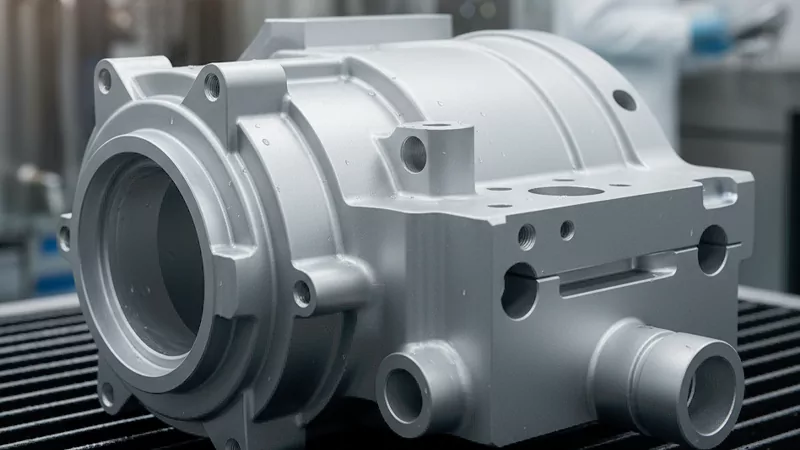
Electroless nickel plating covers steel with an even layer. This process does not use electricity. A chemical bath puts nickel on the steel. It works well for parts with odd shapes or tiny holes. Every spot gets the same amount of coating.
This plating helps steel fight rust. It also makes steel harder and less likely to wear out. You often see it used in electronics and communication devices. It helps connectors last longer and lets signals move better. Oil and gas tools also use this plating. The coating keeps out strong chemicals and water.
Tip: Use electroless nickel plating for smooth, even layers on parts with tricky shapes.
Here is a quick look at how industries use nickel plating:
| Industrial Sector | Recommended Steel Plating Types |
|---|---|
| Aerospace & Defense | Precision coatings with extreme durability |
| Oil & Gas | High corrosion resistance for harsh environments |
| Electronics & Communications | Highly conductive coatings for signal transmission |
Electrolytic Nickel
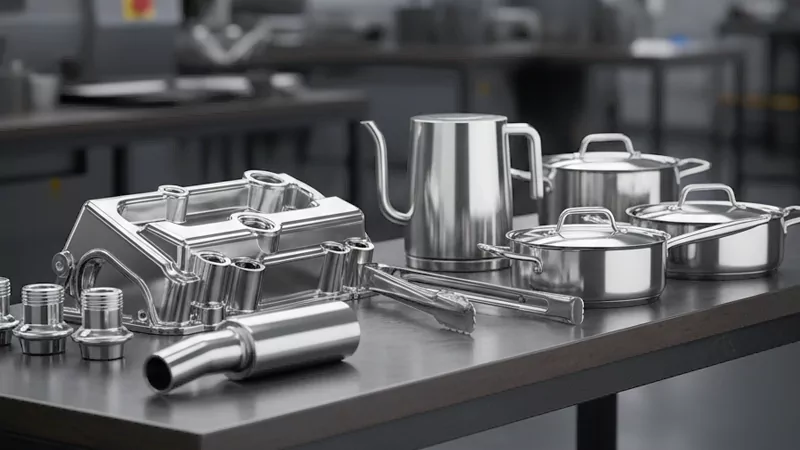
Electrolytic nickel plating uses electricity to add nickel to steel. You put the steel in a special liquid and run a current. Nickel sticks to the steel’s surface. You can make the coating thicker by changing the current or time.
This plating gives steel a shiny look. It also helps stop rust and wear. You see it on things in homes and as a base for chrome plating. It is used for car parts, kitchen tools, and machine pieces.
Electrolytic nickel plating is good for business and industry. It makes hardware last longer and look nice. This method is best when you want a bright finish and strong shield.
Note: Pick electrolytic nickel plating for parts that need to look good and stay strong.
Hard Chrome
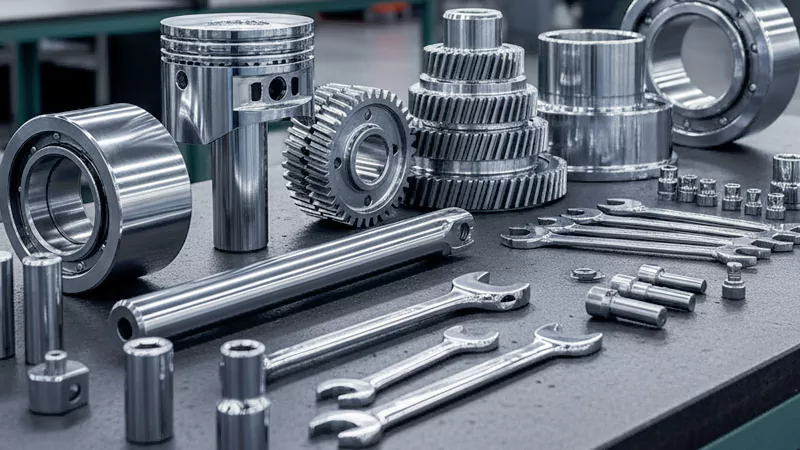
Hard chrome plating makes steel tough and shiny. Electricity puts chromium on the steel. The coating is thick and very hard. It protects well against rust and damage.
Hard chrome is used a lot in factories. You see it on machine parts, car trims, and tools. The coating helps parts last, even with heavy use. It is also found on guns and military gear. The plating keeps away scratches and damage.
Here is a table showing the characteristics of chrome plating:
| Plating Type | Characteristics | Applications |
|---|---|---|
| Chrome Plating | Decorative, enhances corrosion resistance and hardness | Industrial applications, automotive trims |
Hard chrome plating is great for jobs that need strong parts. It works well in planes, defense, and making things.
Tip: Choose hard chrome plating if you want steel parts to be tough and shiny.
Trivalent Chromium
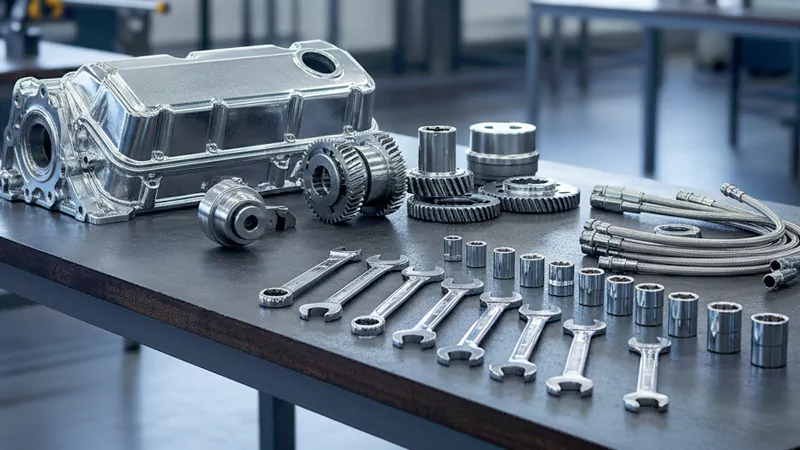
Trivalent chromium plating gives you a modern way to protect steel. This method uses chromium in a safer form than older hexavalent chromium plating. You get a shiny, hard surface that resists rust and scratches. Many industries now choose trivalent chromium because it is better for the environment and safer for workers.
You often see trivalent chromium on car parts, tools, and kitchen appliances. The finish looks bright and smooth. It also lasts a long time. You can use this plating when you want both good looks and strong protection.
Note: Trivalent chromium meets strict environmental rules. You help keep the workplace safer when you pick this option.
Here are some key points about trivalent chromium plating:
- Gives a bright, attractive finish
- Offers strong resistance to corrosion and wear
- Meets modern safety and environmental standards
- Works well for automotive, appliance, and hardware parts
Zinc
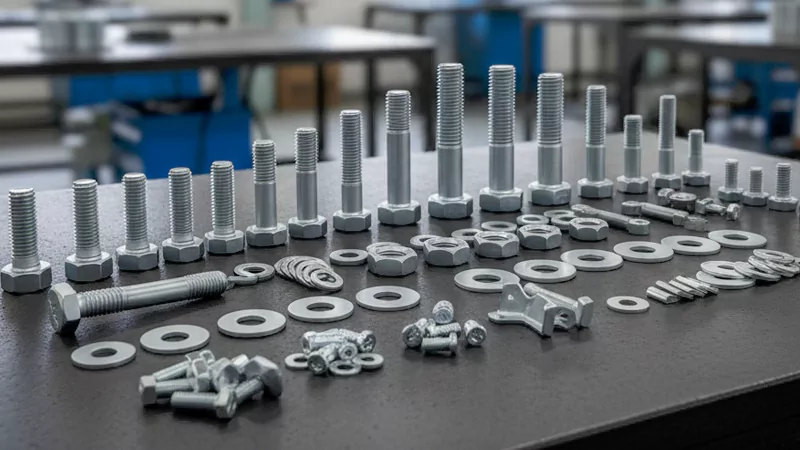
Zinc plating covers steel with a thin layer of zinc. This layer protects steel from rust. Zinc acts as a “sacrificial” coating. If the surface gets scratched, the zinc will corrode first and save the steel underneath.
You see zinc plating on bolts, nuts, and small hardware. Builders use it for parts that face rain or moisture. The coating looks dull gray or sometimes shiny, depending on the process.
Tip: Use zinc plating for parts that need basic rust protection at a low cost.
Here is a quick table to help you remember where zinc plating works best:
| Feature | Zinc Plating Benefit |
|---|---|
| Corrosion Resistance | Good for outdoor use |
| Cost | Low, budget-friendly |
| Appearance | Dull or shiny, not decorative |
| Common Uses | Fasteners, brackets, pipes |
Zinc plating gives you a simple way to make steel last longer in wet or damp places.
Tin
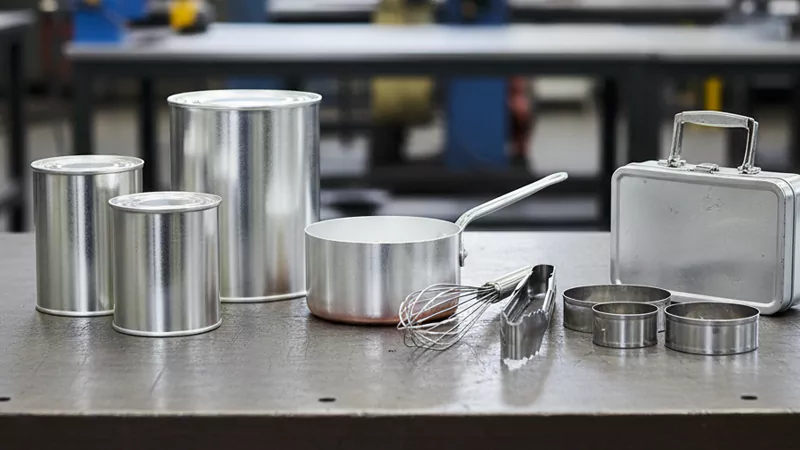
Tin plating puts a thin layer of tin on steel. This coating stops rust and helps parts resist wear. Tin is safe for food contact, so you often see it on cans and kitchen tools.
You can solder tin-plated parts easily. This makes tin plating popular in electronics. Wires and connectors often have tin coatings to help electricity flow and prevent corrosion.
Tip: Choose tin plating for food-safe items or parts that need easy soldering.
Key facts about tin plating:
- Safe for food and drink containers
- Helps prevent rust and tarnish
- Makes soldering easier for electronics
- Used for cans, kitchenware, and electrical parts
Tin plating gives you a clean, shiny finish. You get both protection and good looks for many everyday items.
Cadmium
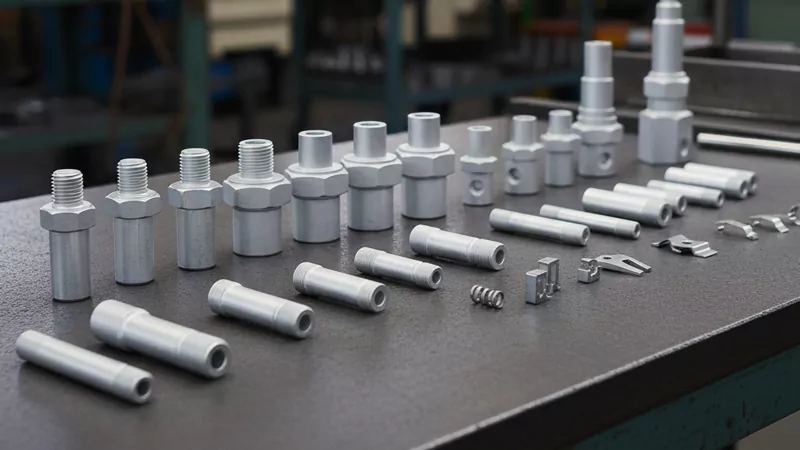
Cadmium plating is used in some special industries. It puts a thin layer of cadmium on steel. This layer protects steel from rust and salt water. Cadmium plating works well for parts in tough weather or with chemicals.
You use cadmium plating when steel needs to last. Airplanes, ships, and oil rigs use cadmium-coated parts. The coating keeps steel safe from rust, even near the sea or chemicals. You also find cadmium on bolts, screws, and electrical connectors. These parts need to work in wet or salty places.
Note: Cadmium plating gives strong protection from rust, especially for ships and planes.
Here are some main features of cadmium plating:
- Stops rust and corrosion well
- Protects steel in salty or wet places
- Has a smooth surface that reduces friction
- Easy to solder and paint
- Good for electrical parts
Cadmium plating gives steel a soft, silver look. The surface is smooth and helps parts fit together. You can paint over cadmium easily. This is good for parts that need color and protection.
But cadmium has problems. It is toxic and can hurt people and nature. Many places now limit or ban cadmium plating. You should only use cadmium if nothing else works as well.
| Feature | Cadmium Plating Benefit | Drawback |
|---|---|---|
| Corrosion Resistance | Great for ships and boats | Harmful to people |
| Electrical Conductivity | Good for connectors | Bad for the environment |
| Paintability | Easy to paint | Use is restricted |
| Solderability | Solder sticks well | Hard to get rid of |
Pick cadmium plating for parts in very tough places. If you work with planes or ships, you might need it. Always check the rules before using cadmium. Safer choices like zinc or trivalent chromium may work for most jobs.
Tip: Only use cadmium plating when you need the best rust protection and no safer choice works.
Cadmium plating helps steel fight rust and wear. But you must think about safety and health. If you want steel parts to last long, cadmium can help, but always think about the risks and benefits.
Electrolytic Nickel Plating
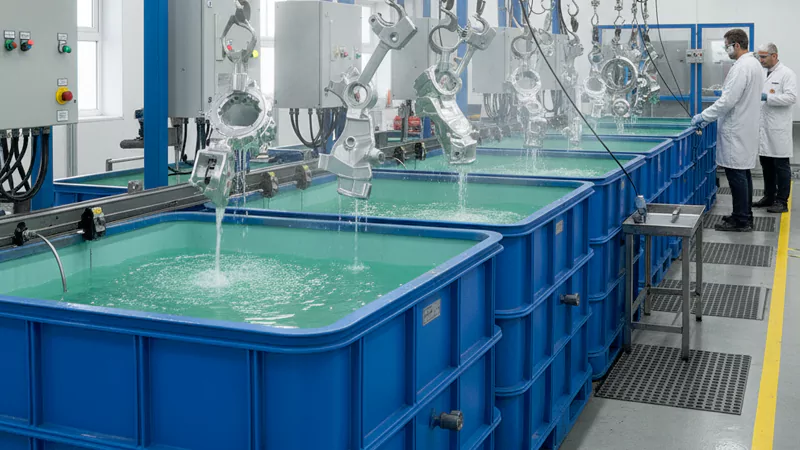
Process
Electrolytic nickel plating puts nickel on steel and other metals. You need electricity for this process. First, you put your metal part in a bath with nickel salt. You connect the part to the negative side of a power source. A nickel bar goes on the positive side. When you turn on the power, nickel ions move from the bar to your part. The nickel sticks to the part and makes a thin, shiny layer.
Here is how electrolytic nickel plating works:
- Clean your part so it has no dirt or oil.
- Put the part in a bath with nickel salt.
- Connect the part to the negative terminal.
- Connect a nickel bar to the positive terminal.
- Turn on the electricity.
- Nickel ions move to your part and cover it.
Tip: You can make the nickel layer thicker by changing the current or the time in the bath.
Electrolytic nickel plating is different from other nickel plating methods. The table below shows how they are not the same:
| Feature | Electrolytic Nickel Plating | Electroless Nickel Plating |
|---|---|---|
| Electric Current Requirement | Needs electricity | Does not need electricity |
| Coating Uniformity | Makes a more even coating | Coating can be less even |
| Catalyst Requirement | Needs a catalyst and direct current | No catalyst needed; uses chemicals |
| Deposition Process | Uses electricity to attach ions | Uses chemicals to put nickel on the part |
You use electrolytic nickel plating when you want a shiny look and strong protection. This method is good for parts that need to look nice and last longer.
Pros
Electrolytic nickel plating has many good points. It makes parts look bright and new. You can pick how thick the nickel layer is. You can also plate lots of parts fast.
Here are some main benefits:
- You get a shiny, nice finish.
- You can change the thickness for your needs.
- The process works for many shapes and sizes.
- You can use it for small or big parts.
- The nickel layer makes parts harder and less likely to wear out.
- You can use this plating as a base for other coatings like chrome.
Many industries use electrolytic nickel plating. You see it in factories, electronics, military gear, food equipment, and planes. This method helps parts look better, conduct electricity, and last longer.
Note: Electrolytic nickel plating is a good way to protect and decorate metal parts quickly and at a low cost.
Cons
Electrolytic nickel plating has some problems too. The coating may not be even on parts with strange shapes. Sometimes, edges get more nickel and corners get less.
Here are some common problems:
- The coating may not be even, especially on odd shapes.
- It does not stop rust as well as some other nickel plating methods.
- The nickel layer is softer than electroless nickel plating.
- You get more friction because the coating is less slippery.
- The magnetic properties stay the same and cannot be changed.
The table below shows these problems:
| Cons of Electrolytic Nickel Plating |
|---|
| Uneven coating |
| Not as good at stopping rust |
| Softer coating |
| More friction |
| Magnetic properties do not change |
Tip: If you need a very even coating or better rust protection, you might want to pick another nickel plating method.
Think about these good and bad points before you choose electrolytic nickel plating for your project. This method works for many jobs, but it may not be right for every need.
Applications
Nickel plating is used in lots of industries. It helps protect steel and other metals from damage. Nickel plating makes parts last longer and look nicer. It is good for places where rust or wear might be a problem.
Factories use nickel plating on machine parts. The coating keeps gears, shafts, and tools working well. It helps stop scratches and rust. Car makers use nickel plating too. They put it on bumpers, trim, and engine parts. The shiny layer looks nice and keeps metal strong.
Electronics companies use nickel plating for connectors and switches. It helps electricity flow better and stops rust. Wires and small parts last longer with nickel plating. You also see it in computers and phones. The coating keeps metal safe and lets signals move easily.
Nickel plating is used in the food industry. Food machines must be clean and safe. Nickel plating gives a smooth surface that does not stain or rust. You see it on mixers, slicers, and conveyor belts. The coating makes cleaning fast and easy.
Aerospace companies use nickel plating for airplane parts. The coating is tough and stands up to heat and pressure. It protects landing gear, fasteners, and hydraulic systems. Planes need strong parts, so nickel plating is a good choice.
Medical device makers use nickel plating for tools and implants. The coating is clean and stops germs and rust. Nickel plating helps tools last longer and stay safe for people.
Here is a table that shows where nickel plating is used:
| Industry | Common Uses | Why Use Nickel Plating? |
|---|---|---|
| Automotive | Bumpers, engine parts, trim | Shiny finish, rust protection |
| Electronics | Connectors, switches, wires | Better contact, less corrosion |
| Food Processing | Mixers, slicers, conveyors | Easy cleaning, safe surface |
| Aerospace | Landing gear, fasteners, hydraulics | Toughness, heat resistance |
| Medical Devices | Surgical tools, implants | Clean surface, long life |
| Manufacturing | Gears, shafts, tools | Scratch resistance, durability |
Tip: Pick nickel plating if you want parts to last and look good. It works for many shapes and sizes. You get strong protection and a nice finish.
You can find nickel plating on many everyday things. It is on coins, kitchen tools, and jewelry. Nickel plating makes metal parts stronger, safer, and better looking. If you need a coating for tough jobs, nickel plating is a smart pick.
Hard Chrome Plating
Process
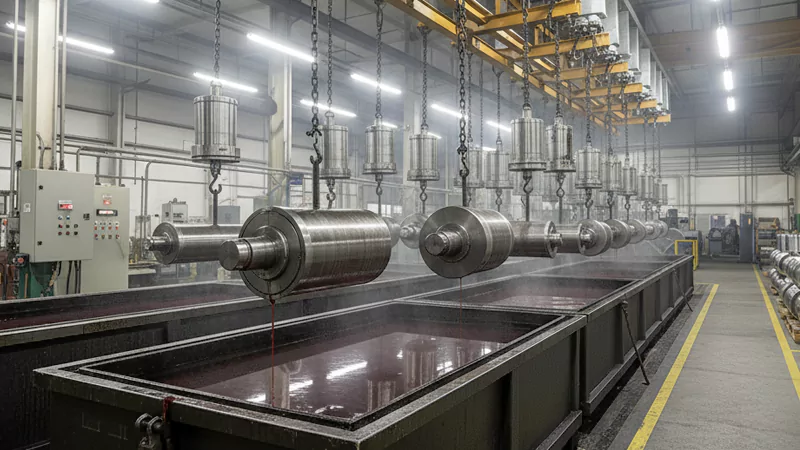
You use hard chrome plating to make steel parts stronger and more durable. This process uses electricity to put a layer of chromium on the metal. You start by cleaning the part. You remove oil, dirt, and any old coatings. Sometimes, you use grit blasting to roughen the surface. This helps the chrome stick better.
Next, you activate the surface. You dip the part in an acid solution, often chromic acid, to get it ready for plating. After that, you place the part in a chromium-based electrolyte solution. You connect the part to a power source. When you turn on the electricity, chromium ions move from the solution to the part. The chrome builds up on the surface.
You control the thickness of the chrome layer. Thin layers work for decorative parts. Medium and thick layers protect parts that face heavy wear. You rinse and dry the part after plating. Sometimes, you use reverse etching to make the bond even stronger.
Tip: You can use hard chrome plating on many shapes, but it works best on simple surfaces. Complex shapes may not get an even coating.
Pros
Hard chrome plating gives you many benefits. You get a very hard surface that resists scratches and wear. The chrome layer also looks bright and shiny. This makes your parts look new and clean.
Here are some main advantages:
- You get superior hardness. Hard chrome plating makes parts last longer than nickel plating in tough jobs.
- The finish looks great. The mirror-like surface adds value to your products.
- The chrome layer resists heat. It keeps its strength at high temperatures, which is useful for engine parts.
- Cleaning is easy. The smooth surface does not trap dirt or bacteria.
- You get low friction. Moving parts slide better, which reduces wear.
- You can repair worn parts. You can replate them instead of buying new ones.
| Benefit | Description |
|---|---|
| Superior Hardness | Stands up to heavy use and wear better than nickel plating |
| Aesthetic Appeal | Bright, mirror-like finish |
| Heat Resistance | Keeps hardness at high temperatures |
| Ease of Cleaning | Smooth, non-porous surface |
| Low Friction | Reduces wear in moving parts |
| Reparability | Worn parts can be replated |
You often see hard chrome plating used where nickel plating cannot provide enough hardness or wear resistance.
Cons
Hard chrome plating also has some drawbacks. You need to know these before you choose this method.
- The process uses hexavalent chromium. This chemical is toxic and can cause health problems. You must follow strict safety rules.
- The cost is high. You need special equipment and safety gear. This makes hard chrome plating more expensive than nickel plating.
- Thick chrome layers can be brittle. They may crack if the part bends or faces heavy stress.
- It is hard to get an even coating on complex shapes. Some areas may get too much chrome, while others get too little.
- Environmental rules are strict. You must handle waste and chemicals carefully.
| Drawback | Description |
|---|---|
| Toxicity | Hexavalent chromium is a known carcinogen |
| High Operational Costs | Safety equipment and waste handling increase costs |
| Brittleness | Thick layers can crack under stress |
| Complexity Issues | Hard to coat complex shapes evenly |
Note: Many industries now look for safer options, such as nickel plating, when possible. Nickel plating offers good protection and is easier to use for some jobs.
You should weigh the pros and cons before you pick hard chrome plating. In many cases, nickel plating gives you enough protection without the health and safety risks.
Applications
Hard chrome plating is used in lots of industries. This coating helps steel parts last longer. It also helps them work better in tough jobs. You use hard chrome plating when you want extra hardness and a shiny look.
Common Uses for Hard Chrome Plating:
- Automotive Industry: Hard chrome is on piston rods and engine parts. It helps these parts resist wear and stay smooth. Car makers use it for bumpers and trim. The coating looks bright and does not rust easily.
- Manufacturing: Hard chrome plating is on molds and cutting tools. The hard surface lets tools cut materials without wearing out fast. Machine parts like rollers get chrome plating to reduce friction and last longer.
- Aerospace: Airplane makers use hard chrome on landing gear and cylinders. The coating protects these parts from scratches and rust. Planes need strong parts, so hard chrome is a good choice.
- Oil and Gas: Hard chrome plating is on drilling equipment and pumps. The coating stands up to harsh chemicals and rough places. It helps tools work longer in oil fields and refineries.
- Medical Devices: Some surgical tools use hard chrome plating. The smooth surface is easy to clean and resists germs. You get safe, long-lasting tools for hospitals and clinics.
- Printing Industry: Hard chrome is on printing rollers and plates. The coating keeps the surface smooth and helps make clear prints. It also stops ink and paper from wearing down the rollers.
Tip: Pick hard chrome plating for parts that face heavy use or lots of friction. The coating helps you avoid repairs and replacements.
Table: Where You Use Hard Chrome Plating and Why
| Industry | Example Parts | Main Benefit |
|---|---|---|
| Automotive | Piston rods, bumpers | Wear resistance, shine |
| Manufacturing | Molds, dies, rollers | Hardness, long life |
| Aerospace | Landing gear, actuators | Corrosion protection |
| Oil & Gas | Pumps, valves, drill bits | Chemical resistance |
| Medical Devices | Surgical tools | Easy cleaning, durability |
| Printing | Rollers, plates | Smooth surface, clarity |
You can use hard chrome plating for many shapes and sizes. The coating works best on parts that move or rub. It also works well for parts in tough places. You get a strong, shiny layer that helps your equipment last longer.
Hard chrome plating is a good choice when you need steel parts to stand up to wear and heat. You see it in cars, factories, planes, oil rigs, hospitals, and print shops. If you want your parts to work well and look nice, hard chrome plating is a smart pick.
Trivalent Chromium Plating
Process
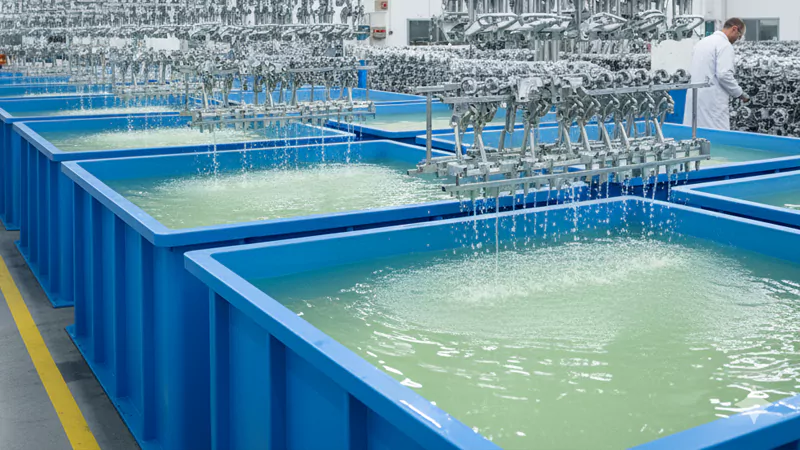
Trivalent chromium plating is a safer way to coat steel. You use a bath with trivalent chromium salts. These come from chromium sulfate or chromium chloride. This is not the same as old chrome plating. Old methods use chromium trioxide. The trivalent process is more like nickel plating.
Here is how you do it:
- Clean the steel part to get rid of dirt and oil.
- Put the part in a bath with trivalent chromium salts.
- Use electricity to move chromium ions onto the steel.
- The chromium makes a thin, even layer on the part.
- Rinse and dry the part after you finish plating.
You must watch the temperature and chemicals closely. This process can handle short power outages. It is more reliable than older ways.
Note: Trivalent chromium plating is safer for people and nature than hexavalent chromium plating.
Pros
Trivalent chromium plating gives you many good things.
- Trivalent chromium is much less toxic than hexavalent chromium. You keep yourself and others safe from health problems.
- The coating is strong and lasts a long time. It resists scratches and rust. Your parts stay good even in tough places.
- You can pick different looks, like shiny or matte. You choose what you need.
- Trivalent chromium plating works at lower temperatures. You save energy and spend less money.
- The process is quick. You can plate parts faster and use smaller machines.
- Waste from trivalent chromium plating is easier to clean up. You help stop pollution and save on disposal costs.
| Benefit | Description |
|---|---|
| Safer for workers | Less toxic, fewer health risks |
| Durable finish | Scratch and corrosion resistant |
| Flexible appearance | Many finish options |
| Energy efficient | Lower temperatures, less power needed |
| Fast and compact | Shorter plating times, smaller setups |
| Environmentally friendly | Less hazardous waste, easier cleanup |
Tip: Pick trivalent chromium plating if you want a safe, strong, and nice-looking coating.
Cons
Trivalent chromium plating has some problems too.
- The process is harder to control than old chrome plating. You must watch the bath chemicals very carefully.
- The color may look a little different than hexavalent chrome. Some people see a blue or gray tint instead of a mirror shine.
- Starting costs can be higher. You might need new machines or training for your team.
- Not all trivalent chromium baths work for every job. You may need to test and change the process for your needs.
| Drawback | Description |
|---|---|
| Complex process control | Needs precise management of chemicals and temperature |
| Color differences | May not match classic chrome exactly |
| Higher startup costs | New equipment or training may be needed |
| Limited compatibility | Some baths may not suit all parts or finishes |
Keep in mind: You must balance safety and the environment with careful process control and color changes. Trivalent chromium plating is a modern way to protect steel, but you need to pay attention to details.
Applications
You can find trivalent chromium plating in lots of industries. This plating makes steel parts strong and shiny. It helps stop rust and scratches. Many companies pick trivalent chromium because it is safer for people and nature.
Automotive Industry
Trivalent chromium is used on car parts. Makers put it on bumpers, grilles, and trim. The coating is bright and lasts a long time. It helps protect against road salt and bad weather. Car wheels and handles also have this plating. You see fewer chips and scratches on these parts.
Appliances and Home Goods
Trivalent chromium plating is on kitchen tools and bathroom fixtures. Faucets, handles, and showerheads stay shiny and clean. The coating does not stain or rust easily. You do not have to clean as much and your home looks nice.
Electronics
This plating is on connectors and switches. The coating helps parts last longer and not wear out. Your devices work better and look smooth. The finish is also neat and professional.
Industrial Equipment
Factories use trivalent chromium plating for machine parts. Gears, shafts, and fasteners last longer with this coating. It stands up to oil, chemicals, and heavy use. You spend less money fixing or replacing parts.
Aerospace and Defense
Trivalent chromium is on airplane parts and military gear. The plating protects against bad weather and chemicals. You get parts that work well in tough places.
Tip: Pick trivalent chromium plating if you want a safe and strong finish for parts that get a lot of use.
Here is a table to show where trivalent chromium plating works best:
| Industry | Common Parts | Main Benefit |
|---|---|---|
| Automotive | Bumpers, trim, wheels | Shiny look, rust protection |
| Appliances | Faucets, handles | Easy cleaning, long life |
| Electronics | Connectors, switches | Wear resistance, smooth finish |
| Industrial | Gears, shafts, fasteners | Toughness, chemical resistance |
| Aerospace/Defense | Airplane gear, tools | Reliable in harsh conditions |
Why Choose Trivalent Chromium Plating?
- The finish looks good and lasts a long time.
- It helps keep people and the planet safe.
- You follow new safety rules.
- You save money on repairs.
You can use trivalent chromium plating on many shapes and sizes. The coating is good for parts that need to look nice and stay strong. You see it on cars, in homes, in factories, and on planes. If you want a safe and tough finish, trivalent chromium plating is a great choice.
Zinc Plating
Process
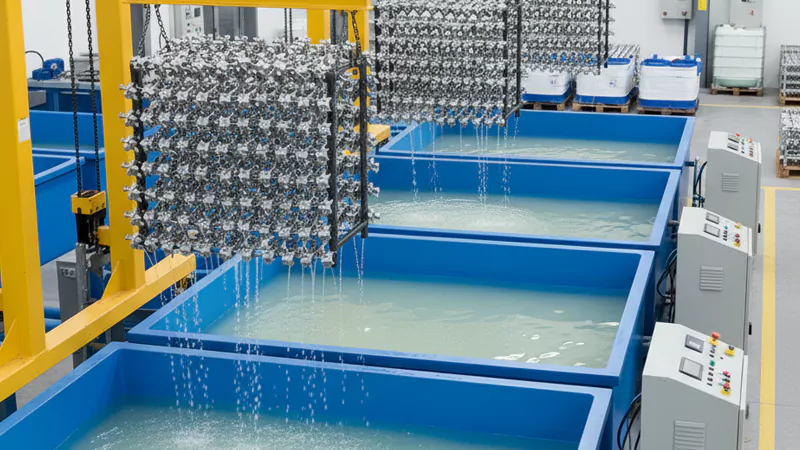
You use zinc plating to protect steel from rust and damage. The process has several steps that help you get a strong and even coating. Here is how you do it:
- Surface Cleaning: You clean the steel part to remove oil, dirt, and rust. This step is important because any leftover grime can stop the zinc from sticking well.
- Preparing the Plating Solution: You mix chemicals to make a bath where zinc can attach to the steel. The right mix helps you get a smooth finish.
- Electroplating: You place the steel part in the solution and use electricity. Zinc moves from the solution onto the steel, forming a thin layer.
- Rinsing and Drying: You rinse the part to wash away leftover chemicals. Drying keeps the coating clean and prevents stains.
- Post-Treatment: You might add a final step, like passivation, to make the coating last longer or change how it looks.
Tip: Careful cleaning and rinsing help you get a coating that lasts and looks good.
Pros
Zinc plating gives you several benefits when you want to protect steel. The coating works in two ways. It forms a barrier that keeps oxygen away from the steel, and it reacts with oxygen before the steel does. Even if the zinc layer gets scratched, it still protects the steel underneath.
You get good corrosion resistance. Zinc plating can last 96 to 240 hours in salt spray tests, and you can make it last longer with extra treatments. The coating sticks well to steel, so it does not chip easily. Zinc plating also gives you a smooth finish that looks neat.
Here is a table showing the main advantages:
| Advantage | Description |
|---|---|
| Corrosion Resistance | Zinc protects steel from rust, even if scratched. |
| Barrier Formation | The coating blocks oxygen from reaching the steel. |
| Sacrificial Protection | Zinc reacts with oxygen first, saving the steel. |
| Adhesion | Zinc sticks well to steel, reducing chipping. |
You see zinc plating used on bolts, nuts, and brackets. Many industries use it because it is affordable and easy to apply.
Cons
Zinc plating has some limits you should know. The coating is less durable than powder coating. It can scratch easily if you use it in rough places. Zinc does not work well in high temperatures. If you use it above 212° F, the coating can break down fast. Zinc also does not protect steel from strong acids or alkalis.
You should avoid using zinc plating in marine environments. Saltwater and high humidity can make the coating wear out quickly. Zinc can also corrode fast in tight spaces where moisture collects.
Here is a list of common drawbacks:
- Zinc plating does not last long in salty or wet places.
- The coating breaks down above 212° F.
- Zinc does not protect steel from strong chemicals.
- Scratches and chips can happen easily.
| Disadvantage | Description |
|---|---|
| Durability | Scratches easily; less tough than powder coating |
| Environmental Sensitivity | Not good for marine or humid areas |
| Temperature Limitations | Fails above 212° F; can crack over 500° F |
| Chemical Resistance | Poor against acids and alkalis |
Note: You should pick zinc plating for basic rust protection, but not for harsh or extreme environments.
Applications
You see zinc plating in many places. This coating helps steel parts last longer and stay safe from rust. You can use zinc plating in industries like construction, automotive, electronics, and manufacturing. Each field uses zinc plating for different reasons.
Construction Industry
Builders use zinc-plated bolts, nuts, and brackets. These parts hold buildings together. Zinc plating protects them from rain and moisture. You find zinc-coated fasteners in bridges, fences, and roofing. The coating keeps steel strong, even outside.
Automotive Industry
Car makers use zinc plating for screws, clips, and brake parts. These small pieces face water, salt, and dirt. Zinc plating stops rust and keeps cars safe. You see zinc-plated parts in engines, frames, and wheels. The coating helps cars last longer.
Electronics
You find zinc plating on connectors and terminals. These parts need to carry electricity without rusting. Zinc plating gives a smooth surface. It helps wires and plugs work well. You see zinc-coated parts in computers, phones, and home appliances.
Manufacturing
Factories use zinc plating for machine parts and tools. The coating protects gears, shafts, and springs. You get less wear and fewer breakdowns. Zinc plating helps machines run smoothly and saves money on repairs.
Home and Everyday Items
You use zinc-plated screws and nails for home repairs. The coating keeps them from rusting in wet places. You see zinc plating on door handles, hinges, and garden tools. These items last longer and look better.
Tip: Choose zinc plating for parts that face rain, moisture, or mild chemicals. You get good protection at a low cost.
Here is a table to help you remember where zinc plating works best:
| Industry | Common Zinc-Plated Items | Why Use Zinc Plating? |
|---|---|---|
| Construction | Bolts, brackets, fencing | Rust protection outdoors |
| Automotive | Screws, brake parts, clips | Stops rust, extends lifespan |
| Electronics | Connectors, terminals | Smooth surface, prevents corrosion |
| Manufacturing | Gears, springs, tools | Reduces wear, saves on repairs |
| Home Use | Screws, nails, hinges | Lasts longer, resists moisture |
You can use zinc plating for many shapes and sizes. The coating works best for small parts that need basic rust protection. You get a neat finish and strong performance. Zinc plating helps you save money and keep steel parts working well.
If you work in construction, car repair, or electronics, zinc plating gives you a simple way to protect steel. You do not need special tools to use zinc-plated parts. You get reliable results in many jobs.
Note: Zinc plating does not work well in salty water or high heat. For those jobs, you should pick a stronger coating.
Zinc plating gives you a smart choice for everyday needs. You keep steel safe, save money, and make your projects last longer.
Tin Plating
Process
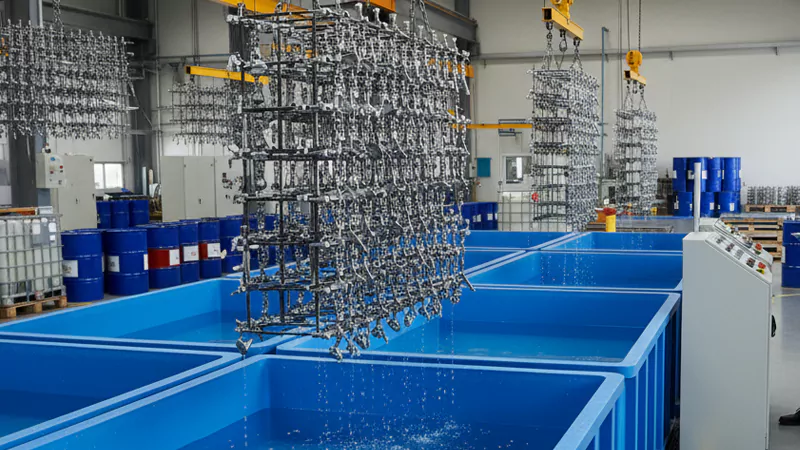
Tin plating gives steel a protective layer that helps prevent rust and makes parts easier to work with. You start by cleaning the steel. You remove oil, dirt, and old coatings. You might use grit blasting, boiling, or electrolytic degreasing. Rinsing helps you get rid of any leftover chemicals.
Next, you prepare the plating bath. You mix an electrolytic solution with tin ions and special additives. You can use acid, alkaline, or methyl sulphonic acid solutions. The right mix helps you get a smooth and even finish.
You then move to the electrodeposition step. You place the steel part in the bath. You use a low-voltage DC current. Tin ions move from the solution and stick to the steel. This forms a thin, shiny layer.
After plating, you might add extra steps. Passivation helps protect the tin from corrosion. Heat treatment can stop hydrogen embrittlement. These steps help your tin-plated parts last longer and work better.
Tip: Careful cleaning and the right bath mix help you get a strong, even tin coating.
Tin Plating Steps:
- Cleaning: Remove all dirt and oil from the steel.
- Preparing the Plating Bath: Mix the right solution with tin ions.
- Electrodeposition: Use electricity to attach tin to the steel.
- Post Electroplating: Add passivation or heat treatment for extra protection.
Pros
Tin plating offers many benefits for steel parts. You get a coating that resists rust and keeps your parts looking new. Tin is easy to shape and weld. You can use tin-plated steel in many industries because it is light and does not cost much.
Here is a table showing the main advantages and disadvantages:
| Advantages | Disadvantages |
|---|---|
| Excellent corrosion resistance | Limited high-temperature performance |
| Good formability and weldability | Tin can be scratched, exposing steel |
| Lightweight and cost-effective | Not suitable for high-stress applications |
You can shape and join tin-plated steel easily. The coating helps you avoid rust, especially in food packaging and electronics. Tin plating also keeps your parts light, which is good for shipping and handling.
Note: Tin plating works well for parts that need to stay clean and rust-free.
Cons
Tin plating has some limits you should know. The coating does not work well in high heat. If you use tin-plated steel in hot places, the tin can melt or break down. Tin is soft. You can scratch it easily. If you scratch the coating, steel underneath can rust.
Tin plating does not work for parts that face heavy stress or wear. You should not use it for tools or machine parts that get hit or bent often. The coating protects against rust, but it does not make steel stronger.
You need to check if tin plating fits your job. If you need a coating for high heat or heavy use, you should look at other options like nickel or chrome plating.
Tip: Use tin plating for food containers, electronics, and light-duty parts. Avoid it for high-stress or high-temperature jobs.
Applications
You see tin plating in many industries. This coating helps steel parts last longer and work better. You find tin plating in places where rust protection, easy soldering, and food safety matter most.
Food Packaging
You use tin plating for cans and containers that hold food and drinks. Tin keeps steel from rusting. The coating does not react with food, so you keep flavors fresh. You see tin-plated cans in grocery stores. Soup, vegetables, and soda often come in these cans. Tin plating helps you store food safely for a long time.
Electronics
Tin plating makes wires and connectors easy to solder. You get strong electrical connections that do not break down. Tin stops rust and keeps signals moving. You find tin plating on circuit boards, plugs, and battery terminals. If you work with electronics, you want tin plating for reliable parts.
Automotive Industry
Car makers use tin plating for small parts like fasteners, clips, and connectors. Tin helps these pieces resist rust and makes them easy to join. You see tin-plated steel in car batteries and electrical systems. The coating helps cars run smoothly and last longer.
Construction and Hardware
You use tin-plated screws, nails, and bolts for building projects. Tin stops rust, so your parts stay strong in wet places. You find tin plating on door handles, hinges, and plumbing fixtures. The coating gives you a shiny finish and keeps hardware working well.
Appliances and Home Goods
Tin plating covers kitchen tools, cookware, and utensils. The coating keeps items clean and safe for food contact. You see tin-plated steel in baking pans, measuring cups, and mixing bowls. Tin makes these products easy to wash and keeps them looking new.
Table: Common Tin Plating Applications
| Industry | Example Products | Why Use Tin Plating? |
|---|---|---|
| Food Packaging | Cans, containers | Safe for food, rust protection |
| Electronics | Wires, connectors | Easy soldering, good contact |
| Automotive | Battery parts, fasteners | Rust resistance, durability |
| Construction | Screws, bolts, hinges | Long life, shiny finish |
| Home Goods | Cookware, utensils | Food safety, easy cleaning |
Tip: Choose tin plating when you need a safe, rust-free, and easy-to-work-with coating. You get strong protection and a clean look for many everyday items.
You find tin plating in products you use every day. The coating helps you keep food fresh, build strong homes, and use reliable electronics. Tin plating gives you a simple way to protect steel and make your projects last.
Cadmium Plating
Process
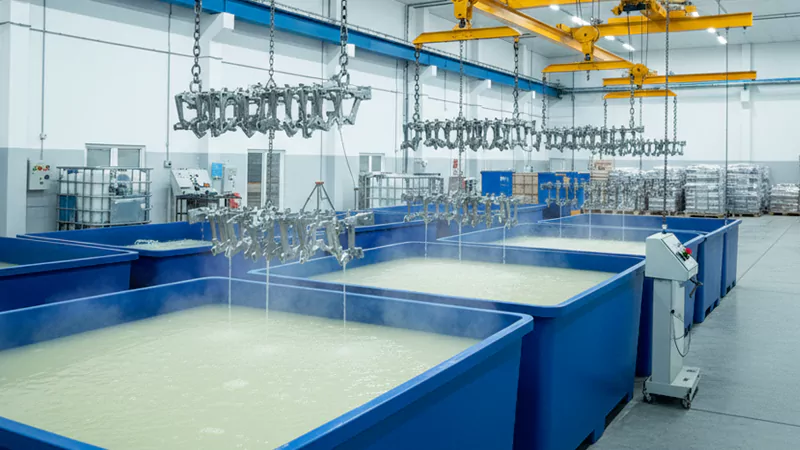
Cadmium plating helps steel parts avoid rust and damage. First, you clean the metal to take off dirt and grease. This step helps cadmium stick to the steel. Next, you put the steel in a bath with cadmium salts and other chemicals. Electricity moves cadmium ions onto the steel. These ions make a thin, even layer on the surface. You can change the thickness by using more or less power and time.
After plating, you might add extra steps. Passivation is one step that makes the coating last longer. It helps cadmium fight rust even better.
Only trained shops should do cadmium plating. These shops need special certificates and must follow strict safety rules. Look for places with NADCAP and AS9100 standards.
Cadmium is a toxic heavy metal. You must be careful when using it. The process needs special tools to keep workers safe and stop pollution. Waste must be thrown away the right way. Many countries have strict rules for cadmium plating because it is risky.
Pros
Cadmium plating has many strong benefits. It protects steel from rust, even near the sea or in harsh places. The coating is a sacrificial layer. If the surface gets scratched, cadmium will rust first and save the steel.
Cadmium sticks well to steel. The coating does not peel or flake off. The surface is smooth and slippery, so moving parts slide easily. Cadmium also lets electricity flow well. You can use it for connectors and switches that need good contact.
Here are the main benefits:
- Great at stopping rust in tough places
- Sacrificial layer protects steel
- Sticks well and feels smooth
- Good for electrical parts
- Works well in high heat
Cadmium plating is used on engine parts, bolts, and landing gear in aerospace and defense. The coating helps these parts last longer and work safely in hard jobs.
Cons
Cadmium plating has big problems. The worst is that cadmium is toxic. It can hurt people and nature. Breathing or touching it can cause health problems. You must wear special safety gear and follow strict rules.
Cadmium can pollute the ground and water. If waste is not handled right, it can harm fish and plants. Many places limit or ban cadmium plating because of these dangers. You must check the law before using this method.
Cadmium plating costs more than other coatings. You pay for safety gear, waste cleanup, and skilled workers. You may also need new machines or training, which adds to the cost.
Rules make cadmium plating hard to use for many jobs. Only pick it if no other coating works as well.
Table: Cadmium Plating Drawbacks
| Drawback | Description |
|---|---|
| Toxicity | Harmful to people and the environment |
| Environmental Impact | Can pollute soil and water |
| Regulatory Restrictions | Use is limited or banned in many countries |
| High Cost | Expensive safety and waste management |
Cadmium plating gives strong protection, but you must think about the risks and cost. Always follow safety rules and see if safer choices like zinc or trivalent chromium can work for you.
Applications
You find cadmium plating where steel needs strong protection. This coating works well when parts face rust, salt, or harsh chemicals. Many industries use cadmium plating because it helps steel last a long time, even in tough places.
Aerospace Industry
Cadmium plating is on airplane parts. Engineers use it for landing gear and bolts. These parts face rain, salt, and high pressure. Cadmium keeps them from rusting and helps them last. The smooth surface helps parts fit together. Cadmium plating is trusted for parts that must always work.
Military and Defense
The military uses cadmium plating on vehicles and weapons. You see it on connectors, springs, and screws. These parts work in mud, rain, and saltwater. Cadmium stops rust and keeps equipment ready. The coating helps parts move easily and lowers friction.
Marine and Offshore
Ships and oil rigs use cadmium-plated parts. Saltwater causes rust fast, so this coating helps. You see cadmium on bolts, nuts, and connectors. It protects steel from the sea and helps parts last. The coating also makes it easy to solder and paint.
Electronics and Electrical
Cadmium plating is on connectors and switches. The coating lets electricity flow well and stops rust. You get good signals and fewer problems. Cadmium also helps with soldering, so connections are strong.
Automotive and Heavy Equipment
Car makers use cadmium plating for brake parts and springs. These parts face water, dirt, and chemicals. Cadmium keeps them working and stops rust. You get safer cars and machines that last longer.
⚠️ Important: Always check local rules before using cadmium plating. Many places limit or ban it because it is toxic. Only use cadmium if no other coating works as well.
Here is a table to help you remember where cadmium plating works best:
| Industry | Common Parts | Why Use Cadmium Plating? |
|---|---|---|
| Aerospace | Landing gear, bolts | Rust protection, smooth fit |
| Military | Connectors, springs | Stops rust, reduces friction |
| Marine/Offshore | Bolts, connectors | Fights saltwater corrosion |
| Electronics | Switches, terminals | Good conductivity, easy soldering |
| Automotive | Brake parts, fasteners | Long life, rust resistance |
Use cadmium plating when you need the best rust protection and no safer choice works. Always follow safety rules and think about the risks. If you work with planes, defense, or ships, cadmium plating can help your parts last and work well.
Steel Plating Types Comparison
Pros and Cons Table
It is important to look at steel plating types before you pick one. Every type has good and bad sides. Some are better for big factories. Others work best for homes or electronics. The table below shows the main pros and cons for each steel plating type.
| Plating Type | Pros | Cons | Typical Industrial Uses |
|---|---|---|---|
| Electroless Nickel | Even coating, high corrosion resistance, good durability | Higher cost, complex process, limited thickness | Electronics, oil & gas, aerospace |
| Electrolytic Nickel | Shiny finish, adjustable thickness, fast process | Uneven coating on complex shapes, less corrosion resistance | Automotive, manufacturing |
| Hard Chrome | Superior hardness, bright look, low friction | Toxic chemicals, high cost, brittle thick layers | Automotive, aerospace, printing |
| Trivalent Chromium | Safer process, strong corrosion resistance, flexible appearance | Complex control, color differences, higher startup cost | Automotive, appliances, electronics |
| Zinc | Low cost, sacrificial protection, easy application | Limited durability, poor in marine/high heat | Construction, automotive, electronics |
| Tin | Food safe, easy soldering, good corrosion resistance | Soft, scratches easily, not for high stress | Food packaging, electronics, home goods |
| Cadmium | Excellent corrosion resistance, smooth surface, good for electrical parts | Toxic, expensive, restricted use | Aerospace, military, marine |
Tip: Pick the steel plating type that fits your job. Think about where you will use the part and how much it will be used.
Performance
You want steel plating types that keep steel safe and last long. How well they work depends on how tough they are, how they stop rust, and how they handle wear. Some types are best for factories. Others are better for light jobs.
- Electroless nickel plating is very tough and stops rust well. You fix parts less often and they last longer in oil, gas, and electronics.
- Hard chrome plating is very strong. It does not scratch or get damaged by heat. You use it for machines and cars that need to last.
- Trivalent chromium plating keeps steel safe from rust and wear. The process is safe and the finish works well in factories.
- Zinc plating gives basic rust protection. It works for bolts and brackets in building jobs. It is good for outdoor use, but not for salty water or hot places.
- Tin plating helps stop rust and makes soldering easy. You use it for electronics and food cans. The coating is soft, so it does not work for heavy use.
- Cadmium plating gives great rust protection in hard places. It lasts in ships, planes, and military jobs. You must follow safety rules because cadmium is toxic.
Here is a table that shows how plated steel compares to steel without coating:
| Aspect | Plated Steel | Uncoated Steel |
|---|---|---|
| Durability | High durability against wear and tear | Lower durability, prone to damage |
| Corrosion Resistance | Excellent, protects against elements | Poor, susceptible to corrosion |
| Maintenance Requirements | Reduced due to protective layer | Higher, frequent repairs needed |
| Lifespan | Significantly extended | Shorter lifespan |
You fix parts less often and save money when you use steel plating types that stop rust well. This helps your equipment last longer.
Cost
You should think about cost when you pick steel plating types. Some coatings cost more because they use special chemicals or need extra safety steps. Others are cheap and easy to use.
- Electroless nickel plating costs more than zinc or tin. You pay more for a hard process and strong protection.
- Hard chrome plating is expensive. You need special tools and safety gear. The process uses toxic chemicals, which adds to the price.
- Trivalent chromium plating costs more to start. You may need new machines or training. The process is safer and saves money on waste.
- Zinc plating is cheap. You get basic rust protection for a low price. This makes it popular for building and factory jobs.
- Tin plating is affordable. You use it for food cans and electronics. The process is simple and does not need special safety steps.
- Cadmium plating is costly. You pay for safety gear, waste cleanup, and skilled workers. Many places limit or ban cadmium, which can make it cost more.
The table below shows how cost, toughness, and rust protection compare for major steel plating types:
| Material | Cost Factors | Durability and Corrosion Resistance |
|---|---|---|
| Steel | Price changes with raw material costs and trade rules. | Needs plating for toughness and rust protection, which adds to total cost. |
| Electroless Nickel | Costs more because of chemical process and strong protection. | Very tough and stops rust well for factory use. |
| Hard Chrome | High cost from toxic chemicals and safety needs. | Very tough and stops rust, good for heavy factory jobs. |
| Trivalent Chromium | Costs more to start, but saves on waste and safety. | Strong and stops rust, safer for people and nature. |
| Zinc | Cheap, easy to use. | Good rust protection for basic jobs, not tough in hard places. |
| Tin | Affordable, simple process. | Good rust protection for light and food-safe jobs. |
| Cadmium | Expensive because of safety and rules. | Great rust protection in tough jobs, but use is limited. |
You should balance cost with how well the plating works. Pick steel plating types that protect your parts and fit your budget.
Maintenance
When you choose a steel plating type, you also need to think about how much care it will need. Some coatings last a long time with little work. Others need regular checks and cleaning. Good maintenance helps your steel parts last longer and work better.
How Maintenance Differs by Plating Type
| Plating Type | Maintenance Level | Typical Tasks | Special Notes |
|---|---|---|---|
| Electroless Nickel | Low | Occasional cleaning | Resists rust and wear well |
| Electrolytic Nickel | Moderate | Regular inspection, cleaning | May need touch-ups on edges |
| Hard Chrome | Low to Moderate | Cleaning, check for cracks | Watch for flaking on thick layers |
| Trivalent Chromium | Low | Simple cleaning | Finish stays bright with little effort |
| Zinc | Moderate | Inspect for scratches, clean | May need re-coating in wet areas |
| Tin | Moderate | Gentle cleaning, avoid scratches | Soft surface, easy to damage |
| Cadmium | Low | Occasional cleaning | Follow safety rules for handling |
What You Need to Do
- Electroless Nickel: You do not need to clean this coating often. It fights rust and wear by itself. Wipe off dirt or oil when you see it. Check for damage if you use the part in harsh places.
- Electrolytic Nickel: You should look at the coating often. Clean it to keep it shiny. If you see thin spots or rust, you may need to re-plate the part.
- Hard Chrome: You can clean this coating with a soft cloth. Check for cracks or chips, especially if the part moves a lot. If you see flaking, fix it soon to stop more damage.
- Trivalent Chromium: This coating needs very little care. Wipe it with a damp cloth to keep it bright. It does not stain or rust easily.
- Zinc: You should check zinc-plated parts for scratches or dull spots. Clean them with mild soap and water. If you use them outside or in wet places, you may need to re-coat them after a few years.
- Tin: You need to clean tin-plated parts gently. The coating is soft and can scratch. Do not use harsh cleaners. If you see rust, the coating may have worn off.
- Cadmium: You do not need to clean cadmium often. It protects steel well, even in salty air. Always wear gloves when you handle cadmium-plated parts. Follow safety rules because cadmium is toxic.
Tip: If you want less work, pick electroless nickel or trivalent chromium. These coatings need the least care.
Signs You Need Maintenance
- The coating looks dull or faded.
- You see rust spots or scratches.
- The part feels rough or sticky.
- The coating flakes or peels.
If you see these signs, clean the part and check if you need to re-plate it. Early care stops bigger problems later.
Maintenance Checklist
- Wipe parts clean after use.
- Inspect for damage every few months.
- Use gentle cleaners, not harsh chemicals.
- Re-coat parts if you see rust or deep scratches.
- Wear gloves for cadmium-plated parts.
Regular care keeps your steel parts strong and safe. You save money and avoid breakdowns when you follow a simple maintenance plan.
Choosing the Right Plating Type
Application Needs
You should start by thinking about how you will use your steel parts. Every project has different needs. If you work with food containers, you want a coating that is safe for food. Tin plating works well for cans and kitchen tools. If you build bridges or fences, you need steel that can handle rain and moisture. Zinc plating gives good rust protection for outdoor jobs.
Ask yourself these questions:
- Will the steel face water, chemicals, or salt?
- Do you need a shiny finish or just basic protection?
- Will the part move or stay in one place?
If your steel parts go into machines or cars, you may need a hard coating. Hard chrome plating helps parts last longer and resist wear. For electronics, you want a coating that helps electricity flow. Electroless nickel plating works well for connectors and switches.
Tip: Match the plating type to your project’s main goal. You save time and money when you choose the right coating.
Performance Requirements
You need to check how tough your steel parts must be. Some coatings make steel harder and more durable. Hard chrome and electroless nickel give strong protection against scratches and rust. If you need parts to last in harsh places, pick a plating that stands up to chemicals and heat.
Use this table to compare what each plating type offers:
| Plating Type | Best For | Weaknesses |
|---|---|---|
| Hard Chrome | Heavy use, high wear | Toxic process, high cost |
| Zinc | Outdoor, basic jobs | Weak in saltwater |
| Tin | Food, electronics | Soft, scratches easily |
| Electroless Nickel | Machines, connectors | Higher cost |
| Trivalent Chromium | Safe, shiny finish | Color may differ |
If you need steel for airplanes or ships, you may want cadmium plating. It protects against salt and chemicals, but you must follow safety rules.
Industry Tips
You can make better choices by learning from experts. Many industries have rules for steel plating. Aerospace and defense often use electroless nickel or cadmium for strong protection. Food companies pick tin plating for safety. Builders use zinc for low-cost rust protection.
Here are some tips:
- Always clean steel parts before plating. Dirt can ruin the coating.
- Ask your supplier about local rules. Some coatings, like cadmium, have limits.
- Think about your budget. Some plating types cost more but last longer.
- Test a small batch before you plate all your steel parts.
Note: You get the best results when you match the plating type to your job, environment, and budget. Talk to a plating expert if you have special needs.
You have many choices when you pick a steel plating type. Each option gives steel different strengths, looks, and levels of protection. You should think about how steel will be used, where it will go, and how much you want to spend. If you need steel for a special job, talk with a plating expert. You can get better results when you match steel plating to your project’s needs.
Tip: Make a list of what you need from steel before you decide. This helps you choose the best plating for your job.
FAQ
You get the longest life from hard chrome and electroless nickel plating. These coatings resist wear and corrosion very well. You can use them for heavy-duty parts in machines, cars, and airplanes.
Cadmium plating protects steel, but it is toxic. You should only use it if no other coating works. Always follow safety rules and check local laws before choosing cadmium.
Yes, you can use zinc plating for outdoor parts. It protects steel from rain and moisture. Zinc works best for bolts, brackets, and hardware in mild weather. Avoid it in salty or very wet places.
Tin plating is best for food containers. It is safe for food contact and stops rust. You see tin plating on cans, kitchen tools, and utensils.
You should check for rust, scratches, or dull spots. If you see damage or the coating wears off, you need to re-plate the part. Regular checks help you keep steel strong.
Yes, some platings help electricity flow better. Electroless nickel and tin plating improve conductivity. You use these coatings for connectors, switches, and electronic parts.
The cost depends on the plating type. Zinc and tin are affordable. Hard chrome, electroless nickel, and cadmium cost more because they need special processes and safety steps.
You can paint over some plated steel. Cadmium and zinc coatings accept paint well. Always clean the surface first. Some platings, like chrome, may need extra steps for paint to stick.