
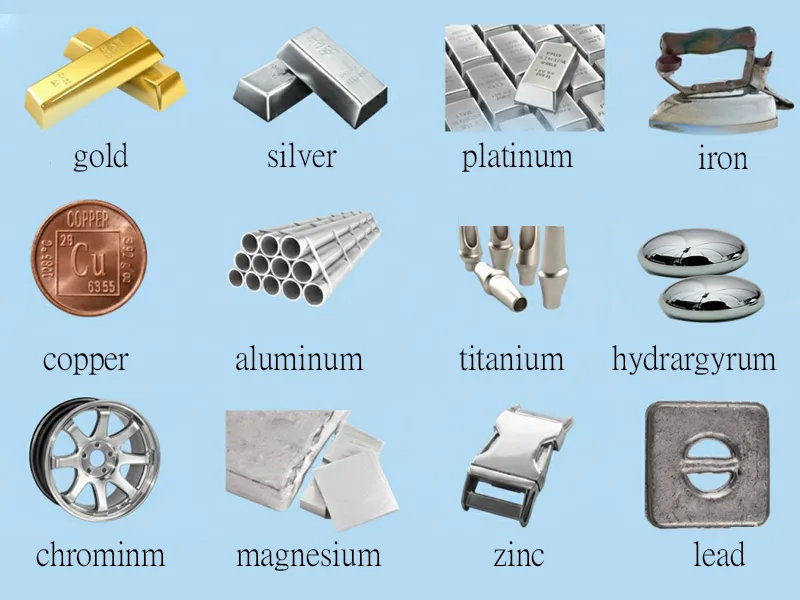
Metal materials display unique physical and chemical properties that set them apart from ceramics and polymers. For instance, industries often select metal for its malleability, strength, and excellent electrical and thermal conductivity when manufacturing automotive frames, electrical wiring, and All materials of metal parts. Unlike ceramics, which break easily under tension, or polymers, which lack good conductivity, metal provides durability and reliability in industrial applications.
| Property | Metals | Ceramics | Polymers |
|---|---|---|---|
| Malleable or brittle | Malleable | Brittle | Both |
| Electrical conductivity | Good | Poor | Poor |
| Ability to conduct heat | Good | Poor | Poor |
| Strength | Strong | Weak | Variable |
| Appearance | Shiny | Opaque | Transparent or opaque |
Understanding these distinctions helps buyers make informed decisions when evaluating material performance for specific environments.
Key Takeaways
- Metals are strong, malleable, and good conductors of electricity and heat, making them ideal for various industrial applications.
- Understanding the differences between ferrous and nonferrous metals helps in selecting the right material for construction and manufacturing.
- Malleability allows metals to be shaped without breaking, which is essential for creating products like automotive panels and wires.
- Corrosion resistance is crucial for metals used in outdoor environments; stainless steel and galvanized steel are excellent choices.
- Recycling metals like aluminum and copper saves energy and reduces costs, making it a sustainable choice for manufacturers.
- Choosing the right metal involves considering strength, durability, and cost to ensure optimal performance in specific applications.
- Precious metals like gold and silver are valuable not only for their rarity but also for their unique properties in electronics and medical devices.
- Alloys combine different metals to enhance properties, providing solutions for demanding environments in industries like aerospace and construction.
Table of Contents
Definition of Metal Materials
What Are Metal Materials
Metals represent a group of substances composed primarily of elements that display characteristic properties such as luster, malleability, and strength. In materials science, metals are defined as elements with high electrical conductivity, high thermal conductivity, and the ability to form metallic bonds. Most metals exist as solids at room temperature, with mercury as a notable exception. These materials often consist of combinations of metallic elements like iron, aluminum, and gold, sometimes alloyed with small amounts of non-metallic elements such as carbon or nitrogen to enhance performance.
Metals serve as the backbone of industries such as construction, automotive manufacturing, and electronics. For example, steel beams support skyscrapers, while copper wires enable efficient power transmission.
| Property | Description |
|---|---|
| Definition | Metals are elements characterized by high electrical and thermal conductivity, luster, and notable malleability, ductility, and tensile strength. |
| State at Room Temp | Most metals are solid at room temperature. |
| Bonding | Metals readily form metallic bonds. |
| Versatility | Metals are versatile and are core to many product market segments due to their advantageous properties. |
- Metallic materials are inorganic substances.
- Most metals are combinations of metallic elements.
- Small amounts of non-metallic elements may be present to improve properties.
- Alloys are more common than pure metals in industrial use.
Physical and Chemical Properties
Metals possess a range of physical and chemical properties that distinguish them from other materials. These properties determine their suitability for specific applications.
Conductivity
Metals exhibit high electrical conductivity and high thermal conductivity due to the presence of free electrons. These electrons move easily throughout the structure, allowing metals to transfer electricity and heat efficiently. For instance, copper is widely used in electrical wiring because it conducts electricity with minimal energy loss. Aluminum finds use in heat sinks and cooking utensils, where rapid heat transfer is essential.
Malleability
Malleability refers to the ability of metals to be shaped or deformed under compressive forces without breaking. This property allows manufacturers to roll steel into sheets for automotive panels or press aluminum into beverage cans. Ductility, a related property, enables metals to be drawn into wires, as seen in the production of electrical cables.
Reactivity
Metals tend to lose electrons easily, forming positive ions. This chemical behavior results from weak attraction between the outer electrons and the nucleus. Some metals, such as sodium and potassium, react vigorously with water, while others, like gold and platinum, resist corrosion and oxidation. The selection of a metal for a specific environment often depends on its reactivity and resistance to chemical attack.
| Property | Description |
|---|---|
| Conductivity | Metals conduct electricity and heat due to free electrons that move freely throughout the metal. |
| Malleability | Metals can be pounded or rolled into different shapes without breaking. |
| Ductility | Metals can be drawn into wires without breaking. |
| Luster | Metals have a shiny appearance that reflects light. |
| Density | Metals are dense materials that weigh more than nonmetals. |
| Ionization tendencies | Metals tend to lose electrons easily, forming positive ions due to weak attraction to the nucleus. |
- Density
- Luster
- Malleability
- Ductility
- Hardness
- Conductivity
- Tensile Strength
- Reflectivity
- Sonorousness
- Melting and Boiling Points
- Corrosion Resistance
- Magnetic Properties
- Solid State at Room Temperature
Metals vs. Other Materials
Metals differ significantly from ceramics and polymers in both mechanical strength and electrical conductivity. Metals provide low resistivity, making them effective conductors in electrical applications. Ceramics, in contrast, act as insulators with high dielectric strength and volume resistivity. Polymers also serve as insulators but generally lack the mechanical strength found in metals and ceramics.
- Metals exhibit low resistivity, making them effective electrical conductors.
- Ceramics maintain high levels of electromagnetic energy with minimal energy dissipation, indicating their insulating properties.
- Polymers, while insulative, lack the robust mechanical properties found in metals and ceramics.
In real-world applications, manufacturers select metals for power lines, structural frameworks, and machinery parts due to their superior strength and conductivity. Ceramics find use in electrical insulators and cutting tools, while polymers are common in packaging and insulation.
Metals, as a class of materials, offer a unique combination of properties that make them indispensable in modern industry. Their composition, based on metallic elements and enhanced by alloying with other elements, provides the versatility required for demanding environments.
Classification and Types of Metal
Ferrous vs. Nonferrous Metals
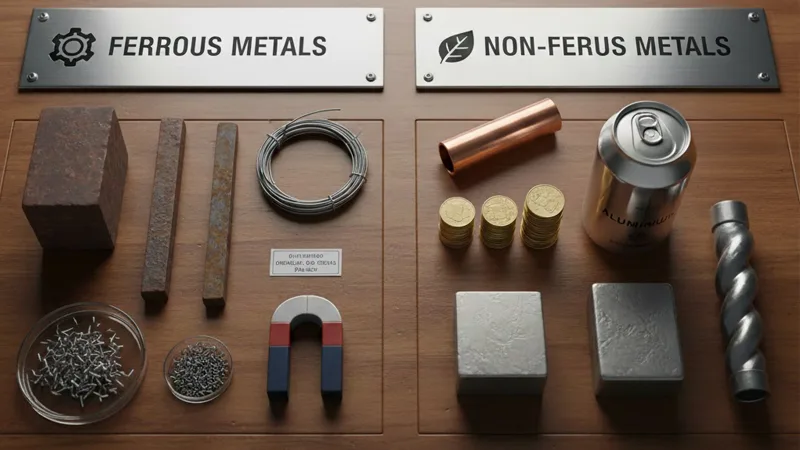
Metals fall into two primary categories: ferrous metals and nonferrous metals. This distinction forms the foundation for most engineering and manufacturing decisions. Ferrous metals contain iron as the main element. These types of metal materials include steel, cast iron, and various grades of carbon steel. Ferrous metals display magnetic properties and offer high tensile strength, making them suitable for construction beams, automotive frames, and machinery parts. Nonferrous metals do not contain significant amounts of iron. These types include aluminum, copper, zinc, and lead. Nonferrous metals resist corrosion and provide excellent electrical conductivity. Electrical wiring, roofing materials, and food packaging often use nonferrous types.
The following table outlines the main classification systems used in engineering and manufacturing:
| Classification Type | Description |
|---|---|
| Metals | Elements that readily give up electrons to form metallic bonds and conduct electricity. |
| Ferrous Metals | Carbon content from 0.65% to 1.5%; hard with poor weldability. |
| Alloyed Metals | Formed by blending two or more metals, with properties differing from the original metals. |
| Pure Metals | Difficult to obtain; generally not useful for engineering. |
| Mild Steels | Carbon content of 0.15% to 0.25%; moderately strong with good weldability. |
| Medium Carbon Steels | Carbon content between 0.3% to 0.6%; high strength but less weldability. |
| High Carbon Steels | Carbon content from 0.65% to 1.5%; hard and tough with poor weldability. |
Ferrous metals dominate structural applications due to their strength and cost-effectiveness. Nonferrous types of metal materials serve in environments where corrosion resistance and low weight are critical.
Atomic Structure Classification
Atomic structure plays a key role in the classification of metal materials. The arrangement of electrons, protons, and neutrons within each atom determines the properties of different types. Transition metals, for example, possess partially filled d-orbitals, which allow for variable oxidation states and complex bonding. This feature leads to unique characteristics such as high melting points, hardness, and the ability to form alloys.
Key factors influencing atomic structure classification include:
- Nuclear charge affects the ability of metals to lose electrons.
- Atomic radius influences reactivity; larger atoms tend to lose electrons more easily.
- The shielding effect impacts electron loss, with greater shielding leading to increased reactivity.
Metals consist of atomic materials, including electrons, neutrons, and protons. Electrons move freely within the structure, creating a “sea of electrons” that enhances conductivity. The arrangement of these atomic components leads to distinct properties such as strength, malleability, and conductivity. Transition metals, such as iron, copper, and nickel, demonstrate these characteristics and play a central role in alloy production.
Transition metals occupy the center of the periodic table. These types of metal materials include chromium, manganese, and titanium. Transition metals provide the backbone for many engineering alloys due to their ability to form stable compounds and resist deformation under stress.
Other Classification Methods
Beyond the ferrous and nonferrous categories, several alternative methods exist for classifying types of metal materials. These methods help buyers and engineers select the right types for specific applications.
| Classification Type | Description |
|---|---|
| Ferrous Metals | Classified using the ‘CAST’ system: Carbon steels, Alloy steels, Stainless steels, Tool steels. |
| Non-Ferrous Metals | Graded based on purity and composition, e.g., copper grades from #1 bare bright to lower grades. |
Other practical classification methods include:
- Sink-float method: Separates types of metal based on density using water or heavy media. Scrap yards use this technique to sort aluminum from steel.
- Manual sorting: Involves separating types by color, weight, and texture, relying on the worker’s experience. This method remains common in recycling facilities and small-scale operations.
Transition metals often require specialized classification due to their diverse properties and applications. For example, stainless steel, a type of alloyed ferrous metal, contains chromium, a transition metal, to enhance corrosion resistance. Tool steels, another group within ferrous metals, use transition metals such as tungsten and vanadium to improve hardness and durability.
Buyers should consider the classification system that best matches the intended application. For example, selecting high carbon steel for cutting tools or choosing nonferrous types for electrical components ensures optimal performance and cost efficiency.
Transition metals, ferrous metals, and nonferrous types of metal materials each offer unique advantages. Understanding these classification systems supports informed purchasing decisions and ensures the right types are chosen for every engineering challenge.
Types of Metal: Ferrous Metals
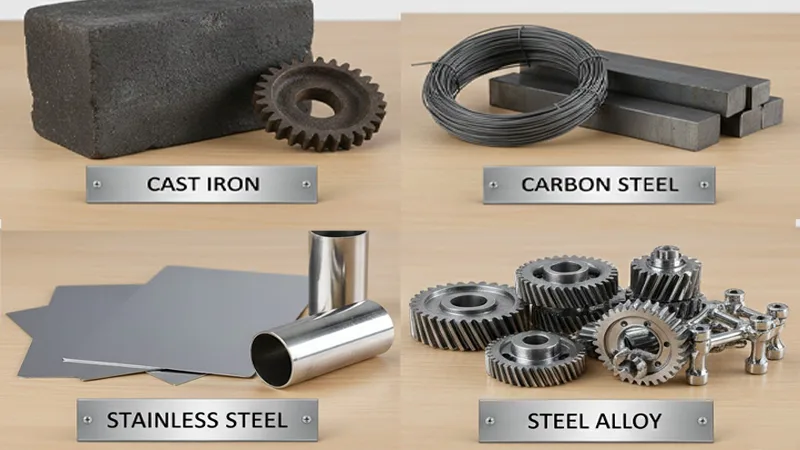
Ferrous metals form the backbone of modern infrastructure. These materials contain iron as their primary element and often feature various alloys to enhance performance. Industries rely on ferrous metals for their high tensile strength, durability, and versatility.
Steel Alloys
Steel alloys represent the most widely used group of ferrous metals. Manufacturers combine iron with other elements to create alloys that meet specific requirements. The construction sector depends on steel skeletons to support stadiums, skyscrapers, bridges, and airports.
Iron and steel are used widely in the construction of roads, railways, other infrastructure, appliances, and buildings. Most large modern structures, such as stadiums and skyscrapers, bridges, and airports, are supported by a steel skeleton.
Steel alloys appear in many industries:
- Aerospace
- Automotive
- Oil and gas
- Tool and die making
- Construction
- Defense
- Medical
- Power generation
- Manufacturing
Alloys of iron and carbon, combined with elements like chromium, nickel, and molybdenum, deliver incredible strength and durability. Alloy steel remains crucial in construction and manufacturing due to enhanced properties such as corrosion resistance and heat resistance.
Carbon Steel
Carbon steel consists mainly of iron and carbon. This alloy offers cost-effective solutions for structural frameworks and machinery. The composition provides strength but makes the metal susceptible to rust. Carbon steel appears in beams, columns, and reinforcements for concrete.
- Carbon steel consists mainly of iron and carbon.
- Prone to rust, lower cost.
Stainless Steel
Stainless steel contains chromium as its key alloying element. The presence of chromium gives the metal rust-resistant properties. Stainless steel finds use in environments where corrosion resistance is essential, such as medical equipment, food processing, and architectural features.
- Stainless steel contains at least 10.5% chromium.
- The chromium content provides rust-resistant properties.
| Material | Composition | Key Properties |
|---|---|---|
| Carbon Steel | Primarily iron and carbon | Prone to rust, lower cost |
| Stainless Steel | Contains at least 10.5% chromium | Corrosion-resistant due to chromium |
Cast Iron
Cast iron is another important ferrous metal. Manufacturers produce several types of cast iron alloys, each with distinct characteristics and applications.
| Type of Cast Iron | Characteristics | Typical Applications |
|---|---|---|
| Grey Cast Iron | Graphite microstructure, good machinability | Tool bodies, industrial compressors, pipe fittings |
| White Cast Iron | Hard, brittle, excellent wear resistance | Malleable rolls, pump linings, wear plates |
| Ductile Cast Iron | Spheroidal graphite, combines strength and flexibility | Pump bodies, valves, gear housings |
| Malleable Cast Iron | Ductile, machinable, tough | Gearbox housings, electrical fittings, and mechanical linkages |
Grey cast iron provides machinability for tool bodies and pipe fittings. White cast iron offers wear resistance for pump linings and wear plates. Ductile cast iron combines strength and flexibility, making it suitable for gear housings and valves. Malleable cast iron delivers toughness for mechanical linkages and electrical fittings.
Applications of Ferrous Metals
Ferrous metals serve critical roles in multiple industries. Their alloys provide solutions for demanding environments.
- Construction: Used for structural frameworks, reinforcements in concrete, beams, and columns.
- Automotive: Essential for manufacturing car frames, cylinder blocks, and engines.
- Manufacturing: Utilized to produce tools, machinery, and equipment.
- Transportation and Shipping: Important in shipbuilding, railway construction, and container production.
- Aerospace: Certain ferrous metals are used for aircraft parts.
Buyers select ferrous metal alloys for projects requiring durability, reliability, and high tensile strength. Real-world examples include bridges supported by steel beams, automotive frames built from carbon steel, and gear housings made from ductile cast iron. These alloys ensure safety and longevity in every application.
Types of Metal: Nonferrous Metals
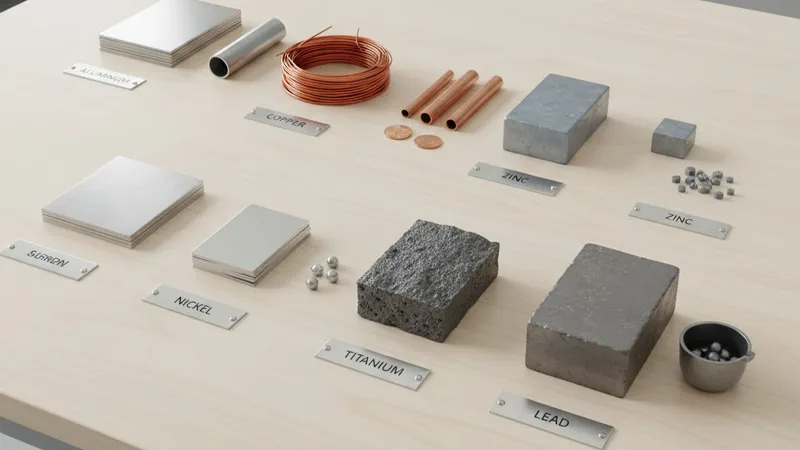
Aluminum
Aluminum stands out as a lightweight, versatile metal. Manufacturers value aluminum for its low density, high strength-to-weight ratio, and resistance to corrosion. This metal resists rust because it forms a protective oxide layer when exposed to air. Aluminum finds use in transportation, packaging, and construction. Aircraft frames, automotive parts, and beverage cans all rely on aluminum for durability and reduced weight. Window frames and building facades use aluminum to withstand weathering and maintain structural integrity. In electrical transmission, aluminum serves as a cost-effective alternative to copper for overhead power lines due to its conductivity and low weight. Recycling aluminum requires only a fraction of the energy needed for primary production, making it a preferred choice in sustainable manufacturing.
Copper
Copper remains a critical metal in electrical and thermal applications. Its unique combination of properties supports a wide range of industrial uses. The following characteristics make copper valuable in electrical systems:
- High electrical conductivity allows easy flow of current with minimal resistance.
- Ductility enables copper to be drawn into thin wires for various wire sizes.
- Thermal conductivity ensures efficient heat dissipation, preventing overheating.
- Corrosion resistance enhances durability in harsh environments.
- Tensile strength provides the ability to withstand mechanical stress.
Electrical wiring, motors, and transformers all depend on copper for reliable performance. Plumbing systems use copper pipes for their resistance to corrosion and ease of installation. In electronics, copper forms the backbone of printed circuit boards and connectors. Roofing and architectural elements also benefit from copper’s longevity and resistance to weathering. Industrial buyers select copper when projects demand high conductivity and durability.
Zinc
Zinc serves as a vital metal in both industrial and consumer products. Its primary role involves protecting other metals from corrosion. Galvanization, the process of coating steel or iron with zinc, extends the lifespan of infrastructure such as bridges, guardrails, and utility poles. Zinc alloys, lightweight and corrosion-resistant, appear in automotive components and die-cast parts. The marine industry uses zinc anodes to prevent corrosion in ships and offshore structures. Zinc also plays a role in energy storage, serving as a key component in zinc-carbon and zinc-air batteries.
Zinc’s versatility extends to many applications:
- Coatings in paints for corrosion protection
- Lubricants in automotive systems
- Fluxing agent in glass and ceramics manufacturing
- Electronics, including LED and semiconductor devices
- Pharmaceuticals and cosmetics for healing properties
- Plastics for fire resistance and mechanical strength
- Vulcanizing activator in tire production
- An essential trace element in animal feed
Medical devices benefit from zinc’s antimicrobial properties, supporting hygiene and safety. Industrial buyers often choose zinc when seeking cost-effective corrosion protection and reliable performance in harsh environments.
Other Nonferrous Metals
Nickel
Nickel plays a vital role in many industrial processes. Manufacturers use this metal to produce stainless steel, batteries, and special alloys. Nickel resists corrosion and maintains strength at high temperatures. Chemical plants rely on nickel alloys for equipment that handles acids and caustic solutions. The electronics industry uses nickel in rechargeable batteries for power tools and electric vehicles. Plating with nickel creates a hard, attractive finish on hardware and kitchenware. In oil and gas operations, nickel alloys withstand harsh environments and extend equipment life.
Titanium
Titanium stands out for its high strength and low weight. This metal resists corrosion in seawater and chemical environments. Aerospace engineers choose titanium for aircraft frames, jet engines, and spacecraft components. The following table highlights the importance of titanium and other nonferrous metals in aerospace applications:
| Metal | Importance in Aerospace Applications |
|---|---|
| Aluminum | High strength-to-weight ratio, extensively used in aerospace |
| Titanium | Valuable for its high strength and lightweight properties |
Medical device manufacturers use titanium for implants and surgical instruments because it does not react with body tissues. Sports equipment, such as bicycle frames and golf clubs, benefits from titanium’s durability and lightness. Shipbuilders select titanium for propeller shafts and underwater structures that require long-term corrosion resistance.
Lead
Lead offers unique properties for specific applications. This metal provides excellent shielding against radiation, making it essential in medical imaging rooms and nuclear facilities. Lead resists corrosion from acids, so chemical storage tanks often use lead linings. The construction industry uses lead in roofing materials and soundproofing barriers. Batteries for backup power systems and vehicles rely on lead-acid technology for reliable energy storage. Recycling facilities recover lead from used batteries, reducing environmental impact and supporting sustainable practices.
Uses of Nonferrous Metals
Nonferrous metals serve critical roles across many industries. These metals do not contain iron, which makes them resistant to rusting. In aggressive environments, nonferrous metals form protective oxide layers that shield them from further corrosion. This self-protective behavior appears in alloys like anodized aluminum, which remains durable and low maintenance in corrosive settings.
Manufacturers select nonferrous metals for applications where corrosion resistance, low weight, and specific mechanical properties are required. Aerospace companies use aluminum and titanium to reduce aircraft weight while maintaining strength. Electrical engineers choose copper for wiring and motors due to its high conductivity. Construction projects use zinc coatings to protect steel structures from rust. Medical device makers rely on titanium for implants that must remain stable inside the human body.
The marine industry uses nonferrous metals for ship hulls, propellers, and offshore platforms. Automotive manufacturers incorporate aluminum and copper to improve fuel efficiency and electrical performance. Renewable energy systems, such as solar panels and wind turbines, depend on nonferrous metals for long-term reliability.
Buyers should evaluate the operating environment, required strength, and corrosion resistance when selecting a metal for a project. Nonferrous metals offer solutions for demanding conditions where ferrous metals may fail.
Precious and Specialty Metals
Precious Metals
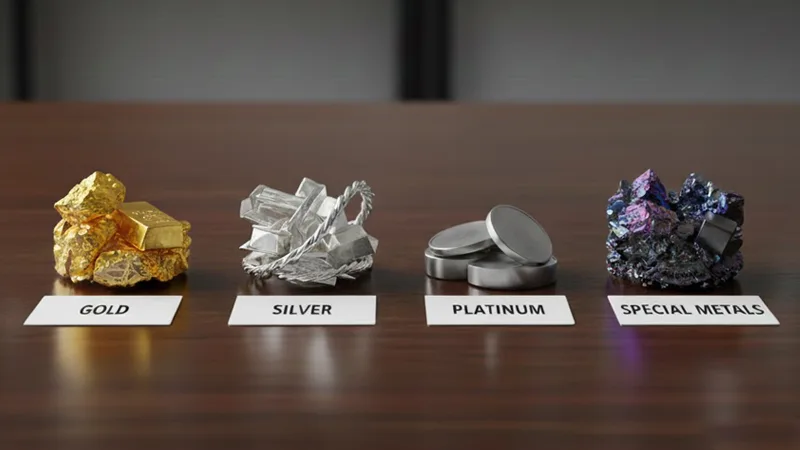
Precious metals hold significant value in both global markets and industrial applications. These metals include gold, silver, and platinum, each with unique properties and uses. The following table summarizes the most commonly traded precious metals and their significance:
| Precious Metal | Description | Trading Significance |
|---|---|---|
| Gold | Most valuable and widely traded, seen as a safe-haven asset. | Global leader in exchange-traded contracts, increasing trading volume year after year. |
| Silver | Second most traded, with industrial applications and investment opportunities. | Popular in electronics and jewelry, gaining traction in investment forms like coins and ETFs. |
| Platinum | Less traded than gold and silver, used in various industrial applications. | Valued for its rarity and industrial use, but not as widely traded. |
Gold
Gold serves as a standard for monetary systems and a safe-haven asset during economic uncertainty. In industry, gold appears in electronics for connectors and circuit boards due to its excellent conductivity and resistance to corrosion. Dental laboratories use gold for crowns and bridges because of its biocompatibility. Central banks and investors purchase gold bars and coins for long-term value storage. Electronics manufacturers rely on gold to ensure reliable performance in smartphones and computers.
Silver
Silver provides high electrical and thermal conductivity, making it essential in high-performance electronics. Solar panel producers use silver in photovoltaic cells to improve energy conversion efficiency. The jewelry industry values silver for its appearance and workability. Silver also appears in medical devices for its antimicrobial properties. Industrial buyers select silver for soldering materials and specialized batteries.
Platinum
Platinum finds use in catalytic converters for vehicles, where it helps reduce harmful emissions. Hydrogen fuel cell manufacturers depend on platinum for its catalytic activity and durability. Medical device companies use platinum in pacemakers and surgical instruments. The rarity and stability of platinum make it valuable for laboratory equipment and investment products.
| Metal | Industrial Use |
|---|---|
| Gold | Used in electronics for connectors and circuit boards, and in dental work. |
| Silver | Utilized in high-performance electronics and photovoltaic cells for solar panels. |
| Platinum | Essential in catalytic converters and hydrogen fuel cells, and in medical devices. |
Specialty Metals and Alloys
Specialty metals and alloys result from combining two or more metals, often with rare or precious elements. These materials achieve specific properties such as high strength, durability, and lightweight characteristics. Specialty alloys often include carbon steel blended with aluminum, chromium, copper, manganese, nickel, silicon, or titanium. Industries select these materials for increased hardness, strength, and corrosion resistance.
- Titanium alloys provide high strength with reduced weight, supporting aerospace applications.
- Stainless steel offers superior corrosion resistance, making it suitable for marine environments.
- Specialty metals and alloys meet the demands of challenging environments, including chemical processing and energy production.
Superalloys
Superalloys deliver exceptional performance in extreme conditions. Engineers use superalloys in jet engines and gas turbines, especially for turbine blades and combustors. Power generation facilities install superalloy components in heat exchangers and turbines. Shipbuilders select superalloys for shipboard gas turbines due to their corrosion resistance. Automotive manufacturers use superalloys in turbocharger rotors to enhance engine efficiency. Oil and gas companies rely on superalloys for deep-sea drilling equipment. Chemical plants use superalloys in high-temperature furnaces and piping systems. Medical device manufacturers choose superalloys for implants and surgical instruments that require hygiene and corrosion resistance.
Shape Memory Alloys
Shape memory alloys change shape in response to temperature changes or mechanical stress. These alloys return to their original form after deformation. Engineers use shape memory alloys in actuators, couplings, and medical devices such as stents and orthodontic wires. The unique properties of these materials support innovation in robotics, aerospace, and healthcare.
Buyers should evaluate the specific requirements of each application before selecting a precious or specialty metal. Real-world examples include gold connectors in smartphones, platinum catalysts in fuel cells, and superalloy turbine blades in jet engines. These materials ensure reliability, safety, and performance in demanding environments.
All Materials of Metal Parts: Selection and Application
Factors for Choosing Metal Materials
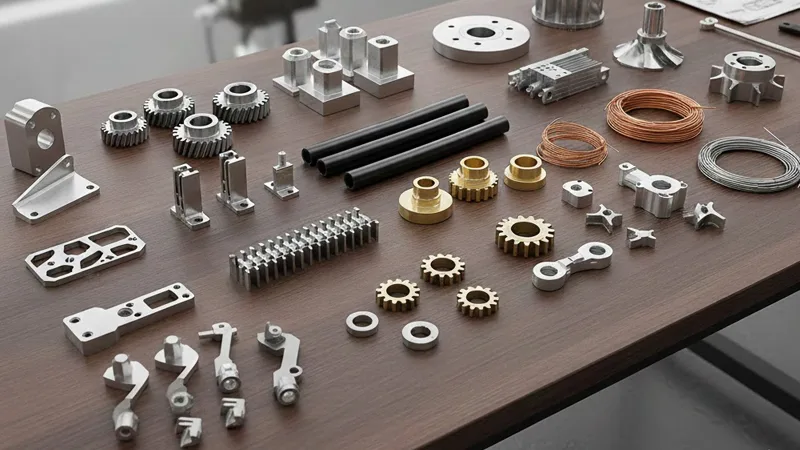
Selecting all materials of metal parts requires careful evaluation of several factors. Buyers must assess the mechanical properties, environmental resistance, and cost to ensure optimal performance and longevity. Strength, corrosion resistance, and fatigue resistance play a critical role in high-stress environments. For example, steel alloys are chosen for bridges and skyscrapers because they provide the necessary durability and load-bearing capacity.
Environmental conditions also influence the selection process. Outdoor structures, such as the Golden Gate Bridge, face constant exposure to moisture and pollutants. These factors can accelerate corrosion, so metals with high corrosion resistance, like stainless steel or galvanized steel, are preferred. Durability remains essential for reducing maintenance costs and extending the service life of all materials of metal parts.
Buyers should consider the following when evaluating metals for demanding applications:
- Strength and fatigue resistance for high-stress environments
- Corrosion resistance to withstand moisture, chemicals, and pollutants
- Durability to ensure long-term performance and safety
- Cost to balance budget constraints with required properties
- Maintenance requirements to minimize long-term expenses
The service environment, including temperature, presence of impurities, and velocity of corrosive agents, can significantly affect the durability of all materials of metal parts. For example, chemical plants select nickel alloys for tanks and piping because these metals resist corrosion from acids and caustic solutions.
Matching Types to Applications
Matching the right metal to each application ensures safety, efficiency, and cost-effectiveness. The following table summarizes common metals and their best-fit applications based on key properties:
| Metal Type | Application Area | Key Properties |
|---|---|---|
| Steel Alloys | Structural applications | Strong, cost-effective |
| Aluminum | Building frames, canopies | Lightweight, strong |
| Titanium | Aerospace industry | High strength, lightweight |
| Copper | Electronics | Excellent thermal and electrical conductivity |
| Stainless Steel | Medical devices | High strength, corrosion resistance |
| Aluminum Alloys | Medical braces | Lightweight, high strength, rigidity |
For structural applications, steel alloys offer a combination of strength and affordability. Aluminum provides a lightweight solution for building frames and transportation components, reducing overall weight without sacrificing durability. Titanium is selected for aerospace parts where both strength and low weight are required. Copper remains the preferred choice for electrical wiring due to its superior conductivity.
Durability must align with the intended use. Outdoor installations, such as utility poles and bridges, benefit from metals that resist corrosion and require minimal maintenance. In the automotive industry, manufacturers select carbon steel for chassis components because it balances cost and mechanical performance. Aluminum is used for body panels to reduce vehicle weight and improve fuel efficiency.
Tip: Buyers should always match the properties of all materials of metal parts to the specific demands of the application. This approach ensures reliability, safety, and cost control throughout the product lifecycle.
Metal materials fall into categories such as aluminum alloys, stainless steel, and various types of steel. Each type offers unique properties for industries like construction, automotive, and marine. Selection depends on application requirements, durability, performance, and budget. For example, aluminum suits lightweight structures, while stainless steel resists corrosion in marine environments. Understanding mechanical, physical, and chemical properties ensures optimal material choice. This knowledge supports safe, cost-effective, and efficient project outcomes. Selecting the right metal material maximizes performance and minimizes resource waste.
FAQ
Ferrous metals contain iron and often show magnetic properties. Nonferrous metals do not contain significant iron and resist rust. Construction companies use steel beams for buildings, while manufacturers choose aluminum for lightweight vehicle parts.
Buyers evaluate corrosion resistance, strength, and maintenance needs. Stainless steel and galvanized steel resist rust in bridges and outdoor sculptures. Aluminum window frames withstand weathering in coastal buildings.
Alloys combine metals to improve strength, durability, or corrosion resistance. Toolmakers use high-carbon steel for cutting tools. Aerospace engineers select titanium alloys for jet engine parts.
Copper and silver provide excellent electrical conductivity. Electricians install copper wiring in homes and factories. Silver appears in high-performance electronics and solar panels.
Zinc coatings prevent rust on steel structures. Utility companies use galvanized steel poles for power lines. Automotive manufacturers apply zinc to car bodies for extended service life.
Gold, silver, and platinum serve critical roles. Electronics manufacturers use gold for connectors. Automotive companies rely on platinum in catalytic converters. Medical device makers select silver for antimicrobial properties.
Recycling reduces energy use and raw material costs. Aluminum cans return to production lines after melting. Lead-acid batteries undergo recycling for new battery manufacturing.
Market demand, alloying elements, and processing methods influence cost. Construction projects budget for steel beams. Electronics manufacturers monitor copper prices for wiring and components.