
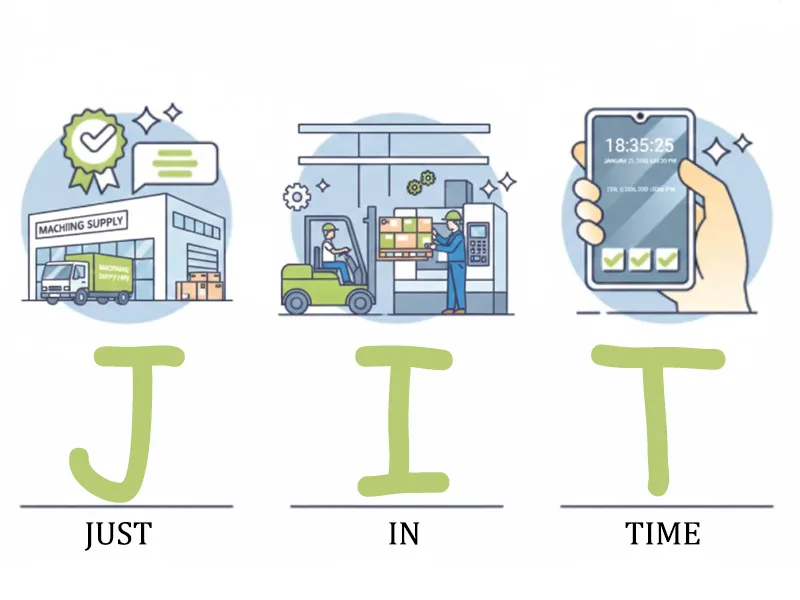
Machining operations can have problems with too much inventory and slow delivery times. These problems can make costs go up and use up money. They can also slow down the whole supply chain. The table below shows common effects:
| Factor | Impact on Efficiency and Cost Structure |
|---|---|
| Inventory Bottlenecks | Raise costs and need more backup stock |
| Lead Time Issues | Use up money and space, make work slower |
| Supplier Delays | Cause more problems, make things cost more |
| Technology Utilization | Find problems, help work get better |
Just-in-time manufacturing helps fix these problems by matching production to real needs. This method cuts down on extra stuff and waste. It also helps companies stay strong in business. People who work in machining can learn ways to make production and supply chains better.
Key Takeaways
- Just-in-time manufacturing helps cut extra inventory. This saves space and money. It also makes work faster and easier.
- Sharing data with suppliers right away is very important. It keeps inventory low and makes sure deliveries are on time.
- Using JIT can help companies waste less. Some companies save up to 60% on raw materials.
- Having good relationships with suppliers lowers risks with JIT. This helps avoid delays and problems with quality.
- Digital tools and technology make JIT better. They help track things and respond faster when demand changes.
Table of Contents
Just-in-Time Manufacturing in the Machining Supply Chain
JIT Principles and Machining Operations
Just-in-time manufacturing makes products only when people need them. This helps themachining supply chain by cutting down on extra inventory. It also helps work get done faster and more smoothly. AFI Industrial Co., Ltd’s machining solutions are very precise. They work with many materials and can make more or fewer parts as needed. These things help just-in-time manufacturing work well.
The way materials and information move is different in this system:
- Materials show up right when they are needed. This stops having too much or too little.
- Inventory stays small, so space and money are saved.
- Sharing data quickly and knowing what people want helps keep inventory low.
- Suppliers become more important because they must deliver on time and keep quality high.
- Even small delays can stop work, so companies need good partners.
These ideas help machining companies change fast and waste less.
Impact on Supply Chain Dynamics
Using just-in-time manufacturing brings quick changes to the supply chain. The table below shows some common changes:
| Operational Change | Description |
|---|---|
| Optimized Material Flow | Raw materials come when needed, so less storage is needed. |
| Inventory Control | Tracking in real time stops shortages and too much stock. |
| Reduced Labor Dependency | Machines do more work, so things get done faster and better. |
After starting just-in-time manufacturing, companies notice:
- They keep less inventory and do not need big backup supplies.
- They can react faster to changes because of digital tools.
- They run lean but still stay safe by keeping some extra stock.
These changes help the machining supply chain move faster and cost less.
Overcoming Traditional Inventory Challenges
Inventory Issues in Machining Production
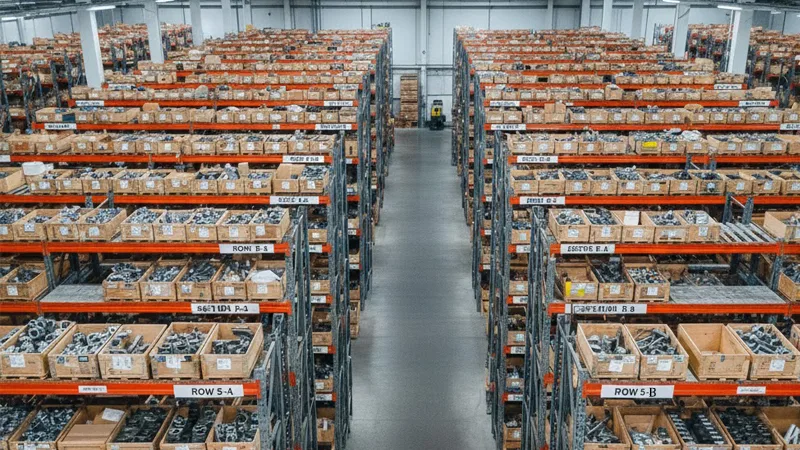
Machining production has many problems with inventory. Many places still guess what they need using old ways. This can cause mistakes in how much stock they keep. Most companies cannot see all their inventory at once. They do not know what they have or where it is.
Some common problems are:
- Guessing demand wrong, so there is too much or too little inventory.
- Not being able to see inventory in real time.
- Keeping more inventory than needed.
- Running out of items and losing sales.
- Using spreadsheets to track inventory by hand.
- Inventory systems that do not work together.
These problems make it easy to have too much or too little stock. It also makes it hard to react fast when things change.
Effects on Lead Times and Costs
Old ways of handling inventory make things harder and cost more. The table below shows some main problems:
| Drawback | Explanation |
|---|---|
| Increased Complexity and Overhead | Managing many items needs more space and people. |
| Longer Lead Times to Production | Picking and setting up parts takes more time and work. |
| Higher Inventory Holding Costs | Too much or old stock costs more if demand changes. |
These things slow down work and make it cost more. Using just-in-time inventory helps lower storage costs and waste. This way, production matches what people really need. It also helps use resources better and control costs. With less extra inventory, companies can work faster and deliver sooner.
JIT Production Benefits for Machining
Reducing Waste and Improving Efficiency
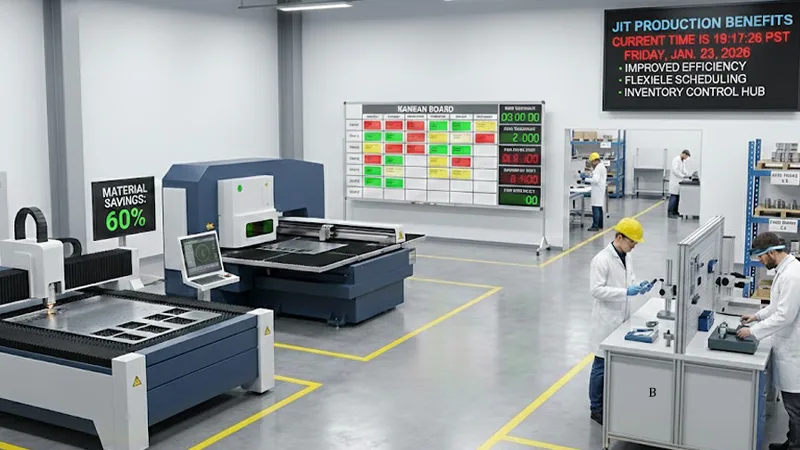
JIT production helps machining companies use less material and work better. Old ways of making parts waste a lot of material, sometimes more than 20%. This happens because of empty spots, leftover pieces, and odd-shaped scraps. New machines like coil-based punching and laser cutting use materials more smartly. Some companies save up to 60% on raw materials by using these machines.
- Less material is wasted when making only what is needed.
- Companies do not buy too much, so they save money.
- Money moves better because buying matches real needs.
- Schedules can change fast if customers want something new.
Machining can make a few parts or many without losing quality. Lean manufacturing, like just-in-time inventory and Kanban, helps stop waste and keeps things running well. Watching inventory in real time and working closely with suppliers are important for JIT to work.
| Benefit | Description |
|---|---|
| Lower Material Waste | Better cutting and planning mean less scrap. |
| Improved Cash Flow | Not as much money is stuck in extra inventory. |
| Flexible Scheduling | Companies can react fast to changes. |
| Scalable Production | Easy to go from small to big batches. |
Enhancing Quality and Customization
JIT production uses precise machining to make sure parts are right. High accuracy means parts fit the way they should. Tight tolerances help save material and make work faster. Good parts help keep schedules on track.
Machining uses clear steps to make sure products do not change too much. Each step is checked and watched. There are fewer mistakes, so less checking or fixing is needed. This makes products better.
Machining lets companies make special parts for different needs. Small runs test if designs work. Low-volume batches help test the market. Bridge production makes hundreds or thousands before making even more. High-volume production starts when people want a lot.
- Accurate machining helps just-in-time work well.
- Less waste fits with working better.
- Reliable parts mean steady results.
- Better work uses less energy and needs less fixing.
- Making more or less is easy when demand changes.
Tip: Track data as it happens and work with suppliers to get the most from JIT in machining.
Risks and Solutions in JIT for Machining
Common Challenges and Mitigation
A just-in-time inventory system in machining has some risks. These risks need careful planning and action. Some common problems are:
- Companies depend a lot on suppliers. If something goes wrong, work can stop.
- If shipments are late, there is no extra stock. This can stop production.
- If there are quality problems, there is no backup stock to use.
- Sending many small shipments can cost more money.
- If companies guess demand wrong, they may run out or make too much.
- Things like storms or strikes can mess up the whole supply chain.
Machining companies use different ways to handle these risks:
- They buy from more than one supplier. This helps if one has a problem.
- They keep some extra stock for important parts and risky items.
- They use Value Stream Mapping to find and remove wasted steps.
- Lean tools like 5S help keep things neat. Kanban helps show what needs to be done.
- The SMED method helps change machines fast. This makes small batches easier.
- Kaizen means always getting better. Standard steps make training simple.
Note: Getting rid of waste and checking work often helps keep things running well and safe.
Role of Technology and Process Control
New technology helps JIT machining work better. Watching data all the time helps spot problems fast. This means workers can fix things right away and keep quality high. Collecting data helps find mistakes and save materials.
- Predictive maintenance uses data to see if machines might break soon.
- IoT sensors send data right away. This helps control the process.
- AI and machine learning find bad parts and help with new orders.
- Real-time Statistical Process Control checks if work meets rules like ISO and Six Sigma.
These tools help machining stay steady and quick. They also help companies do good work and make customers happy.
Implementing JIT in Machining Operations
Steps for Successful Adoption
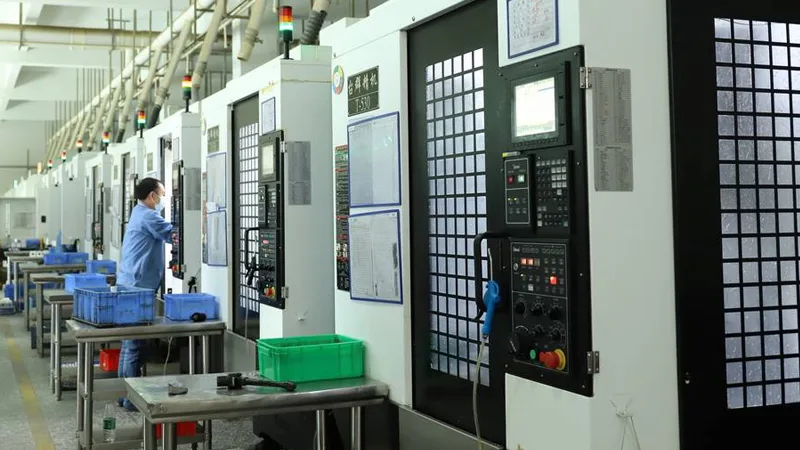
To use just-in-time manufacturing in machining, you need a clear plan. Here are some steps to help make the change easier:
- Figure out what parts you need and how often you need them. This helps you pick the right machines and plan your work.
- Pick machines that fit your needs. The machines should be able to make more or fewer parts and not use too much energy.
- Set up your workspace so work moves smoothly. This helps stop slowdowns and keeps things moving.
- Make sure you check the quality often. Train workers, keep machines in good shape, and check everything regularly.
- Follow all safety rules and laws. Make safety steps easy to understand and follow.
- Work closely with suppliers. Good relationships help you get materials on time.
Working well with suppliers is very important. When you talk and work together, you get what you need when you need it. This helps stop problems and keeps work on track.
Best Practices and Technology Integration
There are some good ways to make just-in-time work better in machining:
- Use digital tools to track inventory all the time and order more when needed. This helps stop running out or having too much.
- Use tools to check how well things are going. Dashboards and shared numbers help everyone work together and do better.
- Train workers to use new digital tools and learn new ways of working.
- Use connected worker platforms. These give workers information right away and help them work together safely.
AFI Industrial Co., Ltd can help with just-in-time production. They have machines that make very exact parts, can handle different batch sizes, and use advanced CNC systems. These things help plan work, switch jobs fast, and keep quality high. By using digital tools and working well with suppliers, AFI Industrial Co., Ltd helps customers get steady and quick just-in-time results.
Tip: Try new ways and digital tools on a small project first before using them everywhere.
Just-in-time manufacturing changes how machining companies handle the supply chain. This way of working gives many long-term benefits, as shown below:
| Benefit | Description |
|---|---|
| Cost Reduction | Cuts down inventory costs and saves money for other things. |
| Improvement in Quality | Fixes problems right away and keeps making things better. |
| Increased Flexibility | Lets companies make things when needed and change plans fast. |
| Optimization of Space Utilization | Needs less storage space and lowers building costs. |
| Strengthened Supplier Relationships | Helps companies and suppliers work together to improve the supply chain. |
Some main benefits are spending less, wasting less, and helping customers faster. Machining workers can do these things to get started:
- Make good relationships with suppliers.
- Make sure everyone does things the same way.
- Work on cutting down waste.
- Buy tools that help people talk and see what is happening.
- Be ready for problems that might come up.
Using just-in-time manufacturing and new machining technology can help companies make things better and keep up with others.
FAQ
Just-In-Time (JIT) manufacturing allows you to receive custom metal parts exactly when they are needed in the production cycle. For businesses, this means a significant reduction in inventory carrying costs and warehouse space. By partnering with a custom metal parts manufacturer that utilizes JIT, you minimize waste and improve cash flow, as capital isn’t tied up in unused stock.
JIT streamlines the supply chain by eliminating the “buffer” of excess inventory. It requires a highly synchronized relationship between the client and the metal parts supplier. This approach reduces lead times and allows for more agile responses to design changes in CNC machining or sheet metal fabrication, ensuring your assembly line never stalls due to overstock or shortages.
Absolutely. While JIT is often associated with high-volume production, it is incredibly effective for precision CNC machining and complex metal fabrication. Our process involves meticulous production scheduling and robust quality protocols, ensuring that even the most intricate custom metal components meet your specifications without the need for long-term storage.
Quality is the backbone of JIT. Since there is no “safety stock,” every part must be right the first time. We implement real-time quality control and rigorous inspection standards throughout the manufacturing process. This “Total Quality Management” approach ensures that every shipment of custom-engineered metal parts is defect-free and ready for immediate integration.
The main risk is supply chain disruption. We mitigate this through strategic sourcing, localized production capabilities, and transparent communication. As an experienced custom metal parts manufacturer, we maintain high-level coordination with logistics partners to ensure that your JIT delivery schedules are met, regardless of market volatility.
While bulk ordering might offer a lower “per-unit” price on paper, JIT is often more cost-effective when considering the Total Cost of Ownership (TCO). JIT eliminates costs related to storage, insurance, depreciation, and potential obsolescence of metal components. It allows for a leaner, more responsive budget that adapts to your actual market demand.